Trying to choose between a condo and a townhome in Springfield? You are not alone. For many buyers, this is one of the biggest forks in the road because the two options can look similar at first glance but feel very different once you factor in price, space, monthly costs, and maintenance. This guide will help you compare both in a practical way so you can make a confident move in Springfield. Let’s dive in.
Why Springfield makes this choice important
Springfield gives you a mix of attached-home options in a part of Fairfax County shaped by transit, retail, and redevelopment. The Springfield Community Business Center and the Franconia-Springfield Transit Station Area are planned as mixed-use, redevelopment-focused districts, which helps explain why condos and townhomes are both common here.
If you want a Northern Virginia location with access to Metro, Virginia Railway Express, Fairfax Connector, and Metrobus, Springfield stands out. That transit access can make lower-maintenance attached homes especially appealing if commute convenience and nearby services matter to you.
Springfield price gap: condo vs. townhome
In Springfield, the current price spread between condos and townhomes is significant. Recent listing snapshots show condos with a median listing price of $309,000 and townhomes with a median listing price of $640,000.
That is a gap of about $331,000. The pace is different too, with condos sitting on the market for 74 days in the snapshot and townhomes for 19 days. If affordability is your first filter, condos usually open the door sooner.
What you usually get with a condo
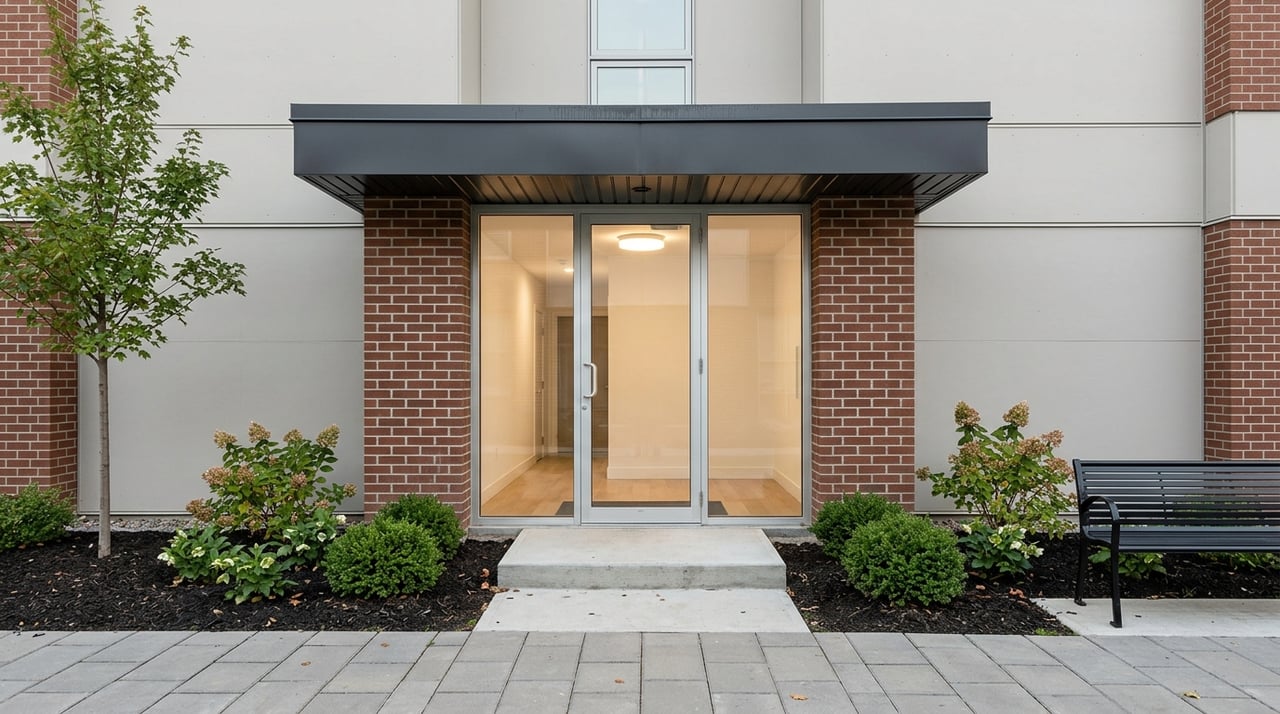
In Virginia, condo ownership is tied to a condominium regime with shared common elements and mandatory assessments for upkeep. In plain terms, you usually own your unit and share responsibility for common areas through monthly dues.
For many Springfield condo buyers, that tradeoff means less exterior maintenance and more bundled expenses. Some local condo listings show fees that cover items such as gas, water, sewer, trash, snow removal, exterior building maintenance, lawn care, and community amenities.
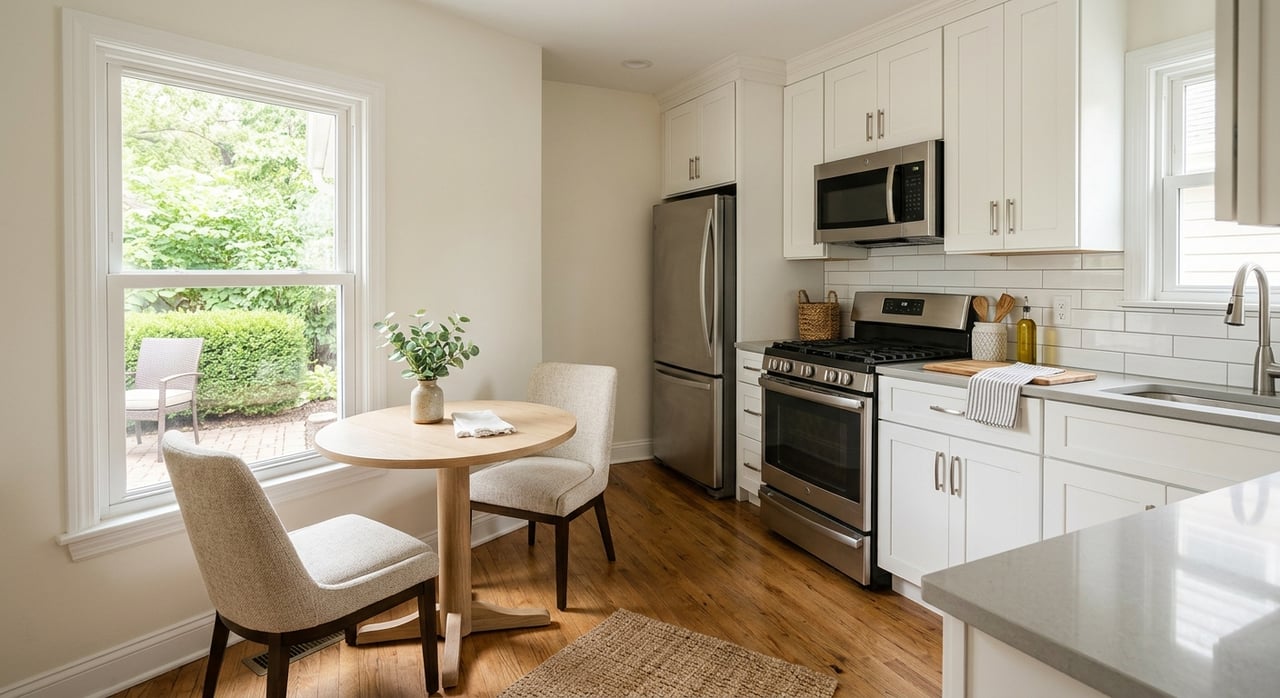
Condos in Springfield also tend to be more compact. Current examples include units around 797 square feet, 863 square feet, 1,104 square feet, and 1,342 square feet, often with one or two bedrooms. If you want one-level living, a smaller footprint, or a lower entry price, that may be a strong fit.
Condo tradeoffs to think about
A condo can simplify day-to-day upkeep, but it also means you have less direct control over certain exterior decisions. Your monthly fee may be higher than a townhome HOA fee because more services are bundled in.
You also need to pay close attention to the association’s financial health, rules, and future repair needs. Those details can affect both your monthly budget and your long-term resale experience.
What you usually get with a townhome
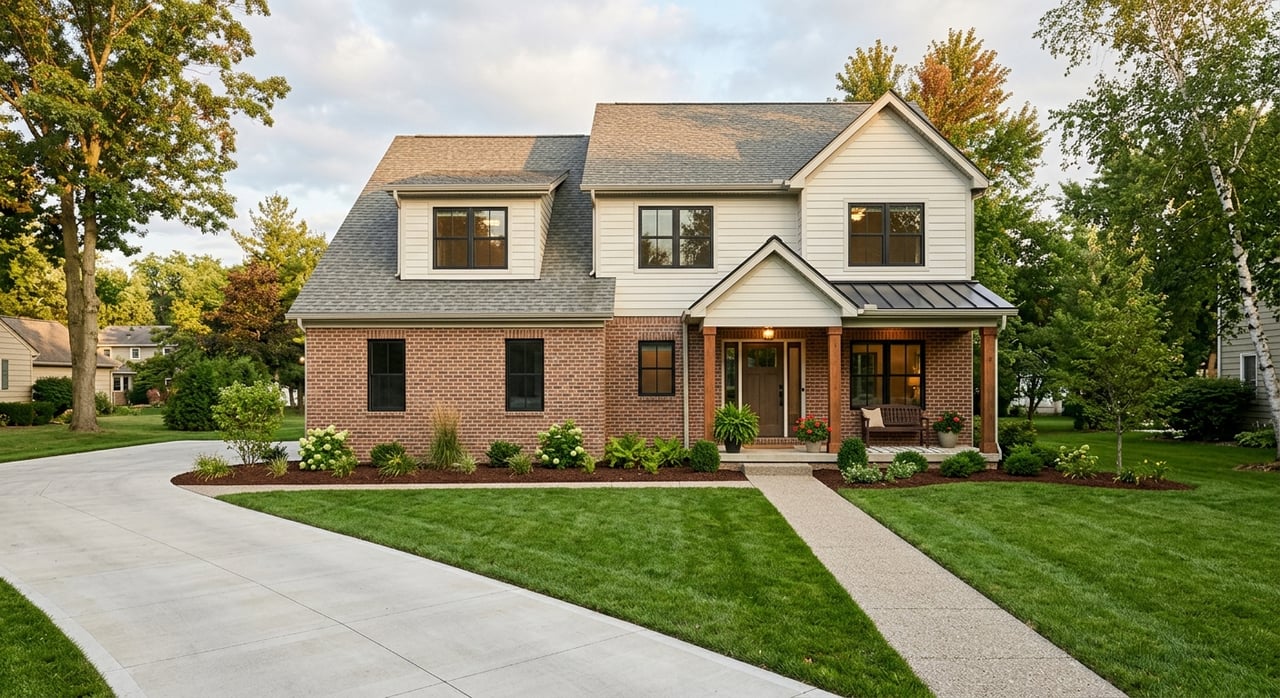
Townhomes in Springfield often feel more like a traditional house, just in an attached format. Current listing examples commonly show three-bedroom layouts, multiple living levels, and larger footprints ranging from about 1,168 square feet to more than 2,328 square feet.
You may also find features like decks, patios, garages, or reserved parking. For buyers who want more storage, more separation between living spaces, or a more house-like layout, that extra room can be a major advantage.
Townhome dues can also be lower than many condo fees, though not always. Local listing examples show monthly HOA dues ranging from about $93 to $248, with some covering items like trash removal, lawn maintenance, and common-area features.
One key caution on townhome-style homes
In Springfield, you should not assume that every property that looks like a townhome is legally a fee-simple townhome. Some homes that look like townhomes are actually condo-style units.
That distinction matters because ownership structure can affect financing, dues, maintenance responsibility, and resale disclosures. Before you get too far into the process, verify the property’s legal type and review the association documents carefully.
Monthly costs: look beyond the mortgage
The purchase price gets most of the attention, but monthly ownership costs matter just as much. In Fairfax County, the FY 2026 adopted real estate tax rate is $1.1225 per $100 of assessed value.
Using the county’s reported mean assessed values for Tax Year 2026, that works out to roughly $4,350 per year for the average condo and $6,876 per year for the average townhome. On a monthly basis, that is about $363 for a condo versus $573 for a townhome, before any special district charges.
That tax gap is real, but it is still much smaller than the current listing-price gap between the two property types. If you are comparing affordability, the upfront price difference will usually have a bigger impact than taxes alone.
HOA and condo dues deserve a close look
Association dues are separate from your mortgage payment. In Springfield, that matters because some condos include a long list of utilities and exterior services, while some townhomes have more modest HOA costs.
Instead of focusing only on the dollar amount, ask what the fee actually covers. A higher monthly condo fee may include utilities and major exterior maintenance, while a lower townhome fee may leave you responsible for more out-of-pocket costs over time.
Financing can be easier or harder
Financing is one of the biggest reasons this decision deserves careful review early. Condos can face more project-level lender scrutiny than many buyers expect.
Certain condo projects may be ineligible for some loans if there are issues like critical repairs, inadequate insurance, significant litigation, or hotel-like uses. If you are using a VA loan, the project must be in a VA-approved condo development.
That is why legal structure matters so much in Springfield. A property may look like a townhome, but if it is legally a condo, your financing path may follow condo rules.
Smart financing questions to ask early
Before you fall in love with a property, confirm:
- Whether the home is legally a condo or townhome
- Whether the association has any known issues that could affect lending
- Whether the condo project meets your loan program requirements
- Whether a VA-approved status applies if you plan to use VA financing
For first-time buyers and military buyers especially, sorting this out early can save time, stress, and unexpected delays.
Which option fits your lifestyle best?
There is no universal winner between a condo and a townhome. The better choice depends on how you want to live, what you want to spend, and how much maintenance you want to handle yourself.
For many buyers, a condo works well when the goal is a lower entry price, simpler upkeep, and a smaller space near transit and everyday conveniences. In Springfield, that can be especially appealing if commute access is a top priority.
A townhome often makes more sense if you want more bedrooms, more square footage, better storage, and a layout with more separation. If a garage, patio, or extra level matters to you, a townhome may feel like the more comfortable long-term fit.
Condo may be the better fit if you want:
- A lower purchase price
- Less exterior maintenance
- One-level living or a smaller footprint
- More bundled monthly services
- A simpler entry point into Springfield homeownership
Townhome may be the better fit if you want:
- More living space
- More bedrooms and storage
- Multiple levels and a house-like layout
- Features like a deck, patio, or garage
- Lower dues in some communities, with fewer bundled services
Due diligence matters before closing
In Virginia, resale disclosure rules are especially important in condo and HOA-governed communities. Sellers must provide a resale certificate, and the contract must disclose that the property is in a common interest community.
The resale certificate includes practical details you should review closely, such as the governing documents, rules, assessment amounts, unpaid assessments, special assessments, reserve information, the operating budget, and the reserve study. Buyers also have statutory cancellation rights if the certificate is not delivered or is delivered late.
This is not just paperwork. It is one of the best tools you have for understanding what you are really buying.
Questions to ask before you move forward
When comparing a Springfield condo or townhome, make sure you ask:
- What does the monthly fee cover?
- How strong are the reserves?
- Are any special assessments planned?
- Are major repairs coming?
- Are there restrictions on pets, parking, rentals, or renovations?
- Does the legal structure affect my loan options?
Those answers can shape your monthly budget, your flexibility as an owner, and your resale outlook later.
The bottom line for Springfield buyers
If you are deciding between a condo and a townhome in Springfield, start with the big three: budget, space, and maintenance. Condos usually offer a lower price point and less exterior responsibility. Townhomes usually offer more room and a more house-like setup, but at a much higher purchase price in the current market.
The right choice is the one that fits your finances, your daily routine, and your future plans. In a market like Springfield, where legal structure, association rules, and financing details can vary from one community to the next, having clear guidance can make the decision much easier.
If you want help comparing Springfield condos and townhomes based on your budget, commute, and financing goals, reach out to David Kyle of Compass for practical, local guidance.
FAQs
What is the main price difference between condos and townhomes in Springfield?
- Recent Springfield listing snapshots show a median listing price of about $309,000 for condos and $640,000 for townhomes, a gap of roughly $331,000.
What monthly costs should Springfield condo and townhome buyers compare?
- You should compare mortgage payment, property taxes, condo or HOA dues, and what those dues actually cover, such as utilities, exterior maintenance, trash, lawn care, or amenities.
What is the typical size difference between Springfield condos and townhomes?
- Current Springfield condo examples are often around 797 to 1,342 square feet with one or two bedrooms, while townhomes are commonly larger, often around 1,168 to 2,328+ square feet with three bedrooms.
Why does legal property type matter for Springfield attached homes?
- A home that looks like a townhome may legally be a condo, and that can affect financing, maintenance responsibilities, monthly dues, and the association documents you need to review.
What should VA loan buyers know about Springfield condos?
- If you plan to use VA financing for a condo in Springfield, the condo project must be VA-approved, so that status should be verified early in your home search.
What documents should Springfield buyers review in a condo or HOA community?
- You should review the resale certificate, governing documents, rules and regulations, assessment schedule, reserve information, operating budget, reserve study, and any notice of unpaid or special assessments.