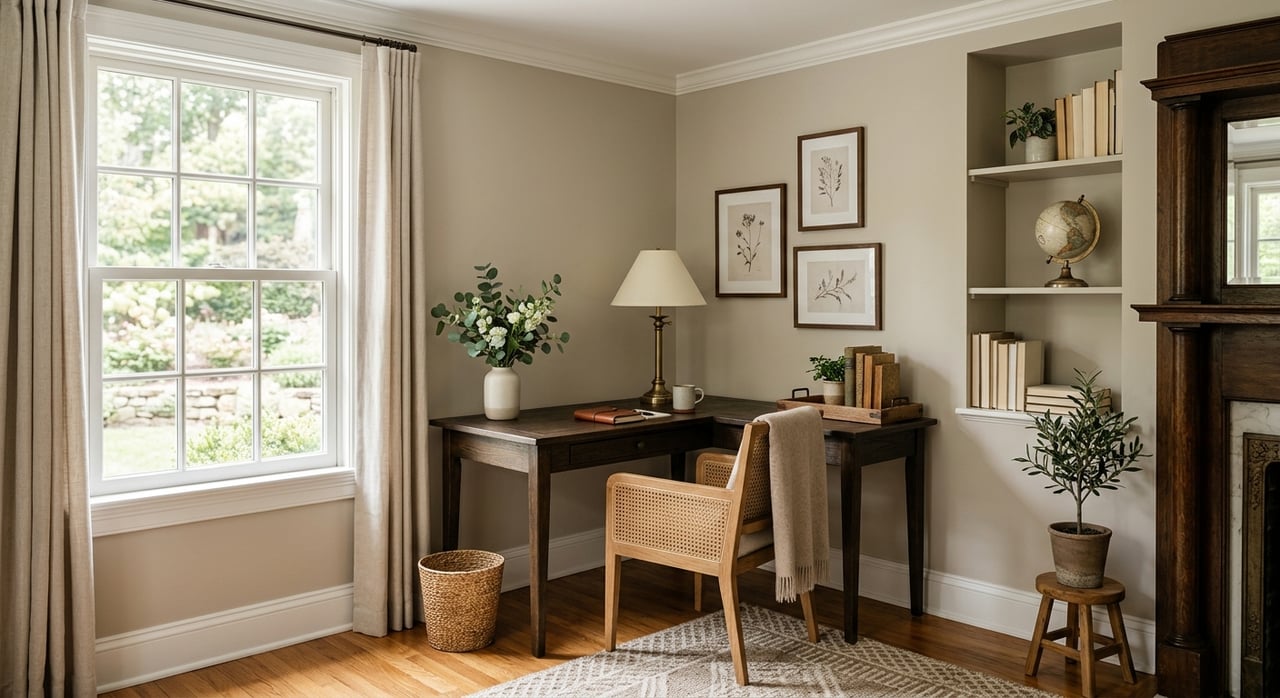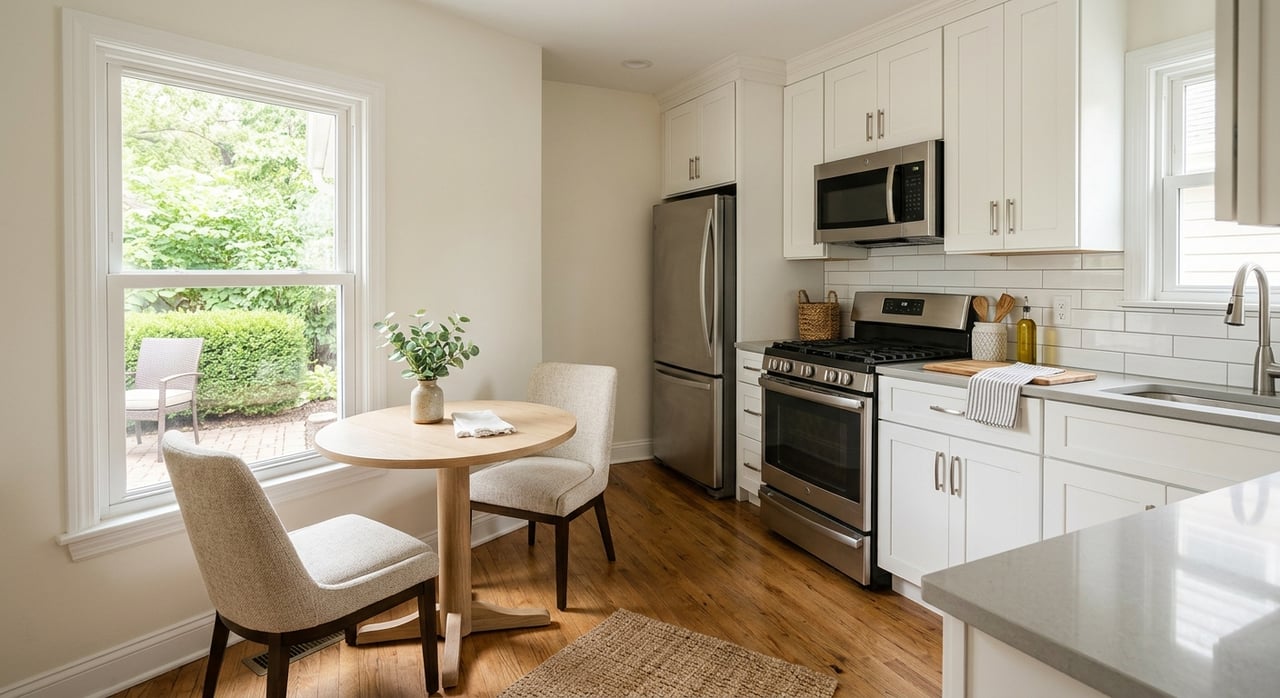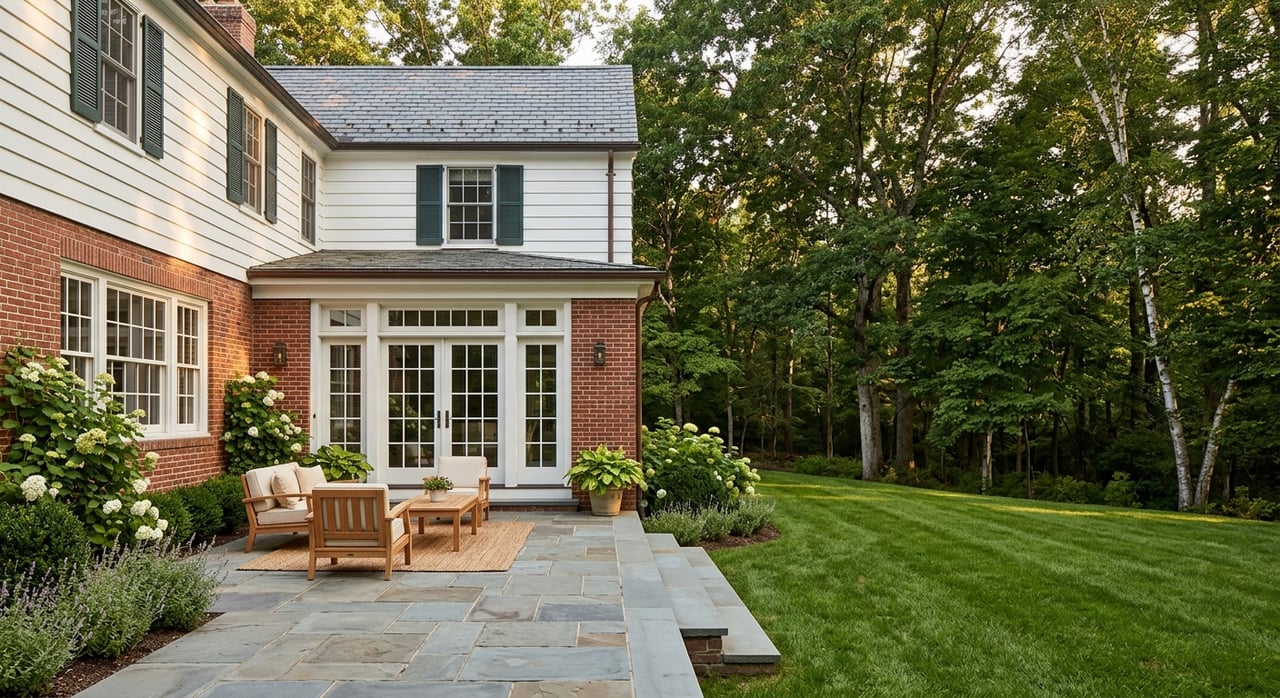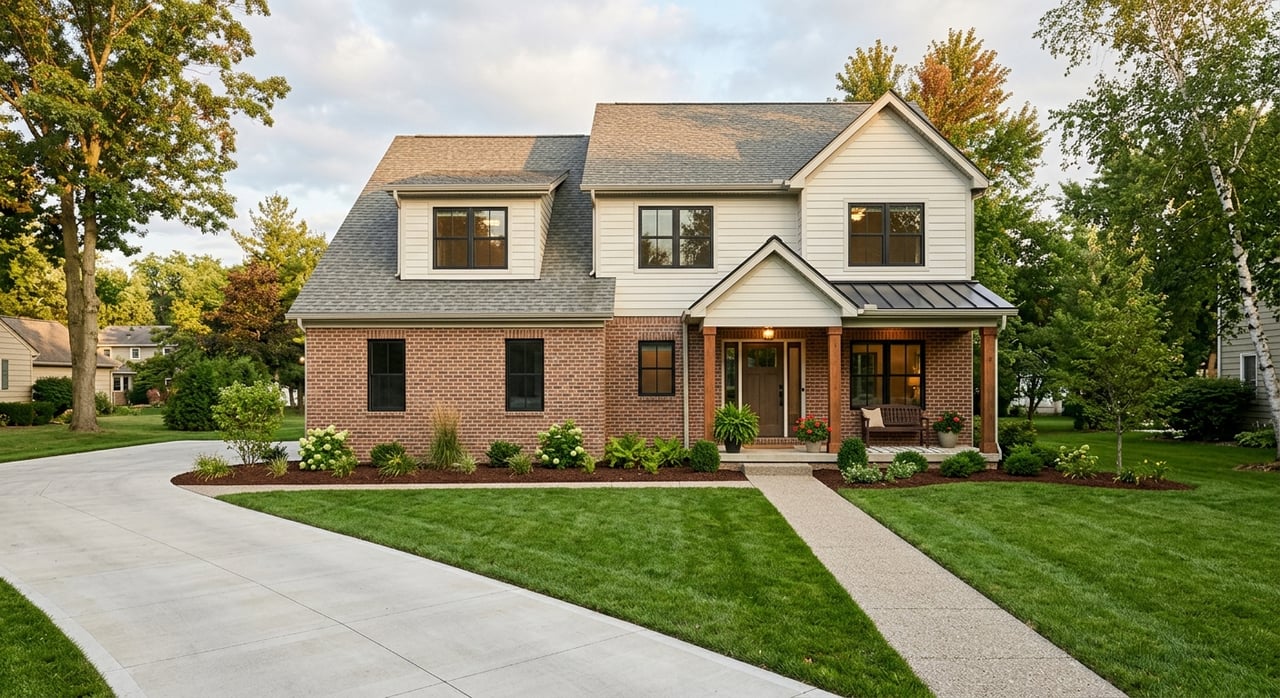
Thinking about buying a brand-new home in Aldie? It can feel like the easiest path to homeownership since everything is new, clean, and designed for modern living. But new construction still comes with contracts, deadlines, site conditions, and local rules that can catch you off guard if you are not prepared. If you want fewer surprises and more confidence, it helps to know what to watch before you sign, choose a lot, and head to closing. Let’s dive in.
Why Aldie Attracts New Construction Buyers
Aldie continues to draw buyers who want newer planned communities along Loudoun County’s Route 50 corridor. Loudoun County describes this corridor as a gateway to western Loudoun, and that growth has shaped the area’s appeal for buyers looking for newer housing options.
The area also offers a mix of amenities that many buyers value in daily life. Hal & Berni Hanson Regional Park spans 257 acres in Aldie, and the county operates a splash pad and nature center there. Buyers also often notice nearby features like Byrne's Ridge Park in Stone Ridge and the Dulles South Park & Ride in Stone Ridge Village Center.
At the same time, location in Aldie is not just about the home itself. Loudoun County has a roundabout project at Route 50 and Trailhead Drive, and it is studying about 14 miles of Route 50 for traffic and safety improvements. That means commute patterns, access routes, and nearby road work should be part of your decision from the start.
What Makes New Construction Different
A brand-new home can feel more straightforward than a resale home, but the process often has more moving parts than buyers expect. Instead of negotiating mostly on price and timing, you may also be managing lot premiums, design selections, build timelines, upgrade deadlines, and builder paperwork.
In Loudoun County, residential construction must go through plan review, permits, inspections, and final approval for occupancy or use. The county also states that an occupancy permit is required for new construction. Because of that, your closing date may depend not only on the builder's schedule, but also on county sign-offs.
That is one reason flexibility matters. If you are trying to line up a lease ending, a rate lock, movers, or a school-year move, it helps to build in extra room for delays.
Builder Contracts Need A Careful Review
Builder contracts are often written to fit the builder's process, not necessarily your expectations as a buyer. That does not mean they are bad, but it does mean you should read every deadline, every upgrade document, and every condition tied to financing, inspections, and closing.
Virginia gives buyers some important protections on newly built homes. In the first sale of a dwelling, the builder must disclose known material defects that would violate applicable building code requirements. Virginia law also implies warranties that the home will be free from structural defects, built in a workmanlike manner, and fit for habitation unless those warranties are waived with specific capital-letter language.
You should also pay attention to who represents whom in the transaction. Virginia requires brokerage relationship disclosures and disclosure of brokerage compensation before entering the relationship. In a builder sale, the on-site sales team and your own agent may serve different roles, so clarity matters from day one.
Financing And Contingencies Still Matter
Some buyers assume a new home is less risky because it has not been lived in yet. In reality, financing and inspection protections are still important.
A practical timeline usually starts with financing preapproval, then contract review, lot selection, and a written list of upgrades and deadlines. Consumer guidance in the research recommends making the purchase offer and sales contract contingent on financing and a satisfactory inspection so you are not forced to close if the loan falls through or a serious issue turns up.
Once your contract is accepted, be ready to move quickly with lender documents and insurance planning. You should also prepare for title insurance and the final closing package. Even with a brand-new house, the paperwork side is still substantial.
Lot Selection Can Create Surprises
One of the biggest mistakes buyers make is focusing only on the model home and not enough on the lot. In Aldie, lot choice can affect privacy, drainage, future views, traffic patterns, and even whether extra approvals or site work come into play.
Virginia's property disclosure materials advise buyers to independently verify lot lines, adjacent parcel uses, and whether historic district rules apply. They also recommend getting a survey and checking zoning and setback requirements before settlement. That guidance is especially relevant if you are looking near the Aldie Historic District, where a Certificate of Appropriateness is required before new construction or many exterior changes.
This is also where your daily lifestyle comes in. A lot near a busy entry, roadway improvement area, or drainage feature may look fine during a quick visit but feel very different once you are living there.
Questions To Ask About The Lot
- What is behind, beside, and across from the lot today?
- Are there drainage easements, low spots, or grading changes nearby?
- Is the property inside or near the Aldie Historic District?
- How will nearby Route 50 access affect daily traffic flow?
- Are there future phases of construction planned behind the home?
Site Work Can Affect Cost And Timing
Not every lot builds the same way. Some lots need more grading, drainage work, or utility-related review than others, and those details can affect both budget and delivery.
Loudoun County states that a grading permit may be required when land disturbance reaches 5,000 square feet or more. The county also notes that some properties require health permits when they use a well or septic system. For buyers, that means a lot that seems simple at first glance may come with added complexity depending on the site conditions.
This is one reason written clarity matters. You want a clear understanding of what is included, what could change, and which costs are fixed versus subject to site conditions.
County Approvals Influence Closing Dates
A builder's estimated delivery date is important, but it is not the only date that matters. In Loudoun County, final approval for occupancy is part of the process, and that can affect when a home is actually ready to close.
If county inspections, final punch work, or occupancy approvals take longer than expected, your move may shift as well. That is why it is wise to keep moving plans flexible when possible. If you are relocating within the DMV or arriving on a tighter timeline, this can be especially important.
Planned Communities Mean Extra Documents
Many new homes in Aldie are part of planned communities. If that is the case, you should expect association documents, mandatory assessments, and community rules that deserve a full review before closing.
Virginia's Common Interest Community Board explains that these communities are created by a developer and later governed by an owners association. The association may enforce rules and collect assessments for shared amenities or infrastructure. Those rules can affect everything from exterior changes to use of common areas.
Before you move forward, make sure you understand:
- Monthly, quarterly, or annual assessments
- Community rules and design restrictions
- Responsibility for shared amenities or infrastructure
- Any limits that may affect future exterior changes
Do Not Skip The Home Inspection
A new home is still a home under construction by people, schedules, and subcontractors. That means mistakes can happen, even when the finishes look polished.
The research makes clear that buyers should still obtain a home inspection before closing. A satisfactory inspection contingency can help protect you if a serious issue appears. Inspections are not just for older homes.
You should also keep your final walkthrough focused. Test what you can, note incomplete items, and confirm that agreed-upon features and upgrades are actually in place.
Watch The Settlement Details
One overlooked issue in new construction is lien risk. Virginia requires certain owner-developers or contractors to provide an affidavit or signed statement at settlement showing that people who furnished labor or materials have been paid, or listing unpaid amounts.
That means your settlement side should be paying attention to more than just the deed and loan package. Lien releases, payment affidavits, and title review matter here too. The goal is to make sure your ownership starts cleanly.
Virginia law also gives you an important right at closing. The purchaser has the right to choose the settlement agent, and the seller cannot require a particular one. That is a useful protection to remember in a builder transaction.
Flood And Drainage Questions Are Worth Asking
Flood and drainage issues are not always obvious when you are walking a polished model or touring a finished lot. Virginia's disclosure materials advise buyers to check flood hazard areas and verify whether flood insurance may be required.
That is especially worth doing if the lot sits near drainage easements, lower ground, or other site features that may not stand out right away. Asking early can save you from budget surprises later.
Why Buyer Representation Still Helps
With new construction, some buyers wonder whether they really need their own representation. The answer often comes down to who is tracking the details.
In a builder transaction, strong buyer representation is less about opening doors and more about helping you manage contract deadlines, upgrade paperwork, contingency language, inspection timing, settlement options, and warranty follow-up. When many decisions are spread across months, having someone keep the process organized can make a big difference.
That kind of support can be especially valuable if you are a first-time buyer, relocating on a schedule, or trying to compare multiple new communities in and around Aldie. Clear communication and steady guidance help you stay ahead of the process instead of reacting to it.
A Simple Aldie New Construction Checklist
If you want to buy new construction in Aldie with fewer surprises, focus on these steps:
- Get preapproved before visiting communities.
- Review the builder contract carefully.
- Confirm financing and inspection contingencies.
- Study the lot, not just the model home.
- Ask about grading, drainage, and permit-related issues.
- Review association documents and assessments.
- Plan for flexibility in your closing date.
- Schedule an independent home inspection.
- Confirm settlement details, title review, and lien-related paperwork.
- Check flood hazard questions before finalizing the lot.
Buying new construction in Aldie can be a smart move when you go in with a clear plan. The right home is not just about shiny finishes and a grand opening sales center. It is about understanding the lot, the contract, the timeline, and the local rules that shape your experience from reservation to closing.
If you are weighing new construction in Aldie and want practical guidance through the details, David Kyle of Compass can help you move forward with clarity and confidence.
FAQs
What should you review before buying new construction in Aldie?
- You should review the builder contract, financing terms, inspection protections, lot details, upgrade paperwork, projected delivery timing, and any association documents tied to the community.
Why does lot selection matter for a new construction home in Aldie?
- Lot selection can affect drainage, traffic flow, privacy, nearby construction, flood-related questions, and whether local historic district rules or other site-specific issues apply.
Do you still need a home inspection for a newly built home in Aldie?
- Yes. A new home inspection can help identify serious flaws or incomplete items before closing, even if the property has never been occupied.
Can a builder require you to use a specific settlement agent in Virginia?
- No. Virginia law says the purchaser has the right to choose the settlement agent, and the seller cannot require a particular one.
What should you know about HOA or condo documents in an Aldie planned community?
- You should expect rules, mandatory assessments, and governing documents that explain how the association operates and what responsibilities or restrictions come with ownership.
Why can a new construction closing date change in Loudoun County?
- Closing can shift because the home may still need county inspections, final approval for occupancy, or completion of remaining builder items before it is ready to close.