Wondering whether buying a condo in Arlington is the smart move for your lifestyle and budget? You are not alone. For many buyers, especially first-time buyers, relocation clients, and people who want an easier commute, Arlington condos can be a strong fit, but the details matter more than many people expect. If you are weighing location, monthly costs, building rules, and long-term value, this guide will help you focus on what really counts. Let’s dive in.
Arlington condos are often about location first
In Arlington, condo living is closely tied to transit access and mixed-use convenience. The county’s higher-density development is generally concentrated within a quarter mile of Metro station entrances, which helps explain why so much condo inventory is clustered along key corridors.
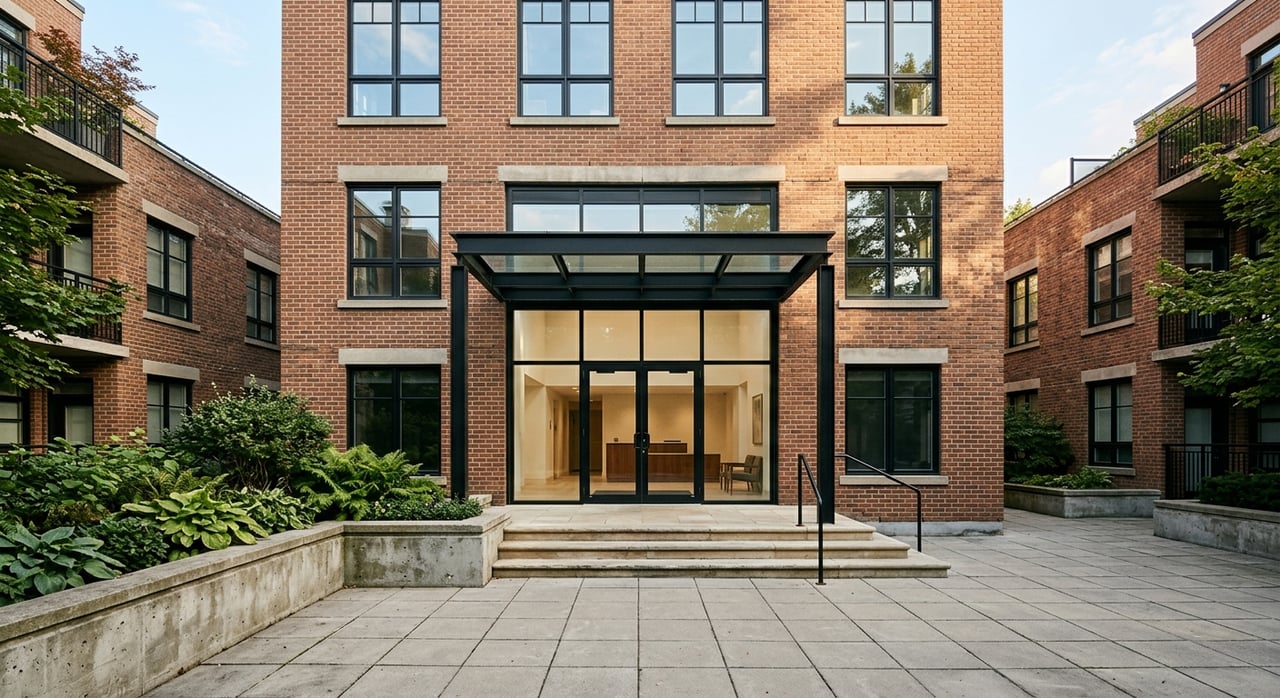
For many buyers, that means your search starts with commute, walkability, and access to daily essentials. Arlington’s major condo areas often appeal to buyers who want a more urban setting, easier transportation options, and less exterior maintenance than a townhome or detached home.
Rosslyn-Ballston remains a core condo corridor
The Rosslyn-Ballston corridor is one of Arlington’s best-known condo markets. Arlington County describes Rosslyn, Courthouse, Clarendon, Ballston, and Virginia Square as transit-connected areas with substantial residential development near Metro access.
If you are comparing condos in this part of Arlington, you are often balancing convenience against cost and building structure. A shorter commute and a more connected location may come with condo fees, shared amenities, and association rules.
Pentagon City and Crystal City attract convenience-focused buyers
Pentagon City and Crystal City are also major condo zones in Arlington. The county describes Pentagon City as transit-oriented and within walking distance of the Metro station, while Crystal City is known for its mix of office, residential, and retail space.
If your priority is access to Metro, walkability, and a mixed-use environment, these areas are often high on the list. They can be especially appealing if you want a condo that supports a car-light or transit-first lifestyle.
Columbia Pike and Shirlington offer a different feel
Not every Arlington condo search is about a high-rise near the Orange or Silver Line. Columbia Pike and Shirlington offer a different profile, with transit access and walkable features but often a different streetscape and building mix than the Rosslyn-Ballston core.
Arlington County describes Columbia Pike as a busy corridor being transformed into a walkable, transit-friendly main street. Shirlington includes residential communities, restaurants, parks, and access to bus and trail connections. For buyers who want Arlington access without the most tower-heavy setting, these areas are worth a close look.
Your monthly budget is more than the mortgage
One of the biggest condo surprises is how much the monthly fee can affect affordability. If you are only looking at sale price and loan payment, you may not be seeing the full picture.
A condo budget should include:
- Principal and interest
- Property taxes
- Homeowners insurance
- Possible mortgage insurance
- Monthly condo fee
That last line item can change the math in a major way. Condo dues are usually separate from the mortgage payment, and they can range from a few hundred dollars a month to more than $1,000 a month.
Arlington price context matters
As of Arlington County’s February 2026 MarketStats report, the average sold price for Arlington condo and co-op properties was $503,011. That same report showed the average sold price down 3.15% year over year.
At the same time, NVAR’s June 2026 forecast projected Arlington condo prices up 2.2% from 2025 to 2026, with condo inventory up 28.0%. For you as a buyer, that can mean more options to compare, even if pricing remains firm in many well-located buildings.
Property taxes are part of the carrying cost
It is easy to focus on your loan payment and condo fee, but annual property taxes are also part of the cost of ownership. Arlington assesses property annually and sets the tax rate each year, so taxes should be built into your monthly planning from the start.
When you compare condos, ask for a realistic all-in monthly estimate. That number usually gives you a much better decision-making tool than purchase price alone.
Condo fees deserve a closer look
A condo fee is not just an extra bill. It is part of how the building operates, maintains shared areas, and plans for future expenses.
Virginia law makes an important distinction here. The unit owners’ association is responsible for common elements, while you as the owner are generally responsible for the unit itself. That split is one reason condo living can feel simpler than owning a detached home, but it is also why you need to understand exactly what the association handles.
Ask what the condo fee covers
Two buildings with similar list prices can feel very different once fees are factored in. The monthly amount matters, but what it covers matters just as much.
As you review a condo, ask practical questions like:
- What common elements does the association maintain?
- Are there amenities that affect the fee?
- Has the fee changed recently?
- Are there any upcoming major projects?
- Is there a special assessment now or being discussed?
A higher fee is not automatically bad. In some cases, it reflects stronger maintenance, broader services, or better preparation for future repairs. The key is understanding what you are paying for.
The resale packet is one of the most important documents
In Virginia, the condo resale certificate is one of your most valuable buyer protections. It can tell you far more about a building’s health than a quick tour of the lobby or unit finishes ever will.
The resale certificate must disclose a wide range of information, including governing documents, current assessments, unpaid fees, special assessments, approved capital expenditures, reserve balances, the operating budget, the reserve study or summary, insurance information, pending actions, and approved board minutes. It also has to disclose rules affecting things like parking and use restrictions.
What to look for in the resale certificate
When you review the packet, focus on the issues that can affect both your monthly cost and your future flexibility.
Pay close attention to:
- Current monthly assessments
- Reserve balances
- Special assessments
- Approved capital projects
- Insurance coverage details
- Rules related to parking or use
- Pending legal or financial issues
- Board minutes that may hint at upcoming costs or repairs
This is where hidden risk often shows up. A beautiful unit in a building with weak reserves or unresolved repair issues may be less attractive than a slightly less polished unit in a better-run association.
Reserve studies matter more than many buyers think
Virginia defines a reserve study as a capital-budget planning tool used to estimate the condition and replacement cost of capital components and the association’s funding capacity. In plain English, it helps you see whether the building is planning ahead for major repairs.
You do not need to become an accountant to review this. You just want to understand whether the association appears to be saving enough for future roof work, mechanical systems, exterior repairs, or other major costs, or whether owners may face special assessments later.
Timing rules in Virginia can protect you
Virginia also sets important timing rules around the resale certificate. In general, the seller or seller’s agent must obtain it, and the association generally has 14 days to deliver it after a written request.
Once you receive it, you usually have three days to cancel, unless the contract sets a different deadline. If the certificate is not delivered before settlement, you may cancel any time before closing. Those deadlines matter, so you want to review the packet quickly and carefully.
Financing a condo is not always the same as financing a house
Many buyers assume that if they qualify for a loan, they can buy any condo they like. In reality, condo financing can depend not just on your finances, but also on the project itself.
Fannie Mae notes that some condo projects may be ineligible if they have critical repairs, inadequate insurance, significant pending litigation, hotel or motel characteristics, or rental-pooling or transient-occupancy features. That means a building’s condition and structure can affect your financing options.
VA buyers should check project approval early
If you are using a VA loan, this step is especially important. VA-backed financing can be used only in a VA-approved condo project.
If that applies to you, ask your lender to confirm project eligibility as early as possible. That simple check can save time, reduce stress, and keep your search focused on realistic options.
Condos versus townhomes or detached homes
A condo can be a great fit, but it is not automatically the right fit for every buyer. Arlington buyers often compare condos with townhomes or detached homes based on budget, commute, maintenance, and control.
In general, condos make the most sense if you want less exterior maintenance and stronger access to transit-oriented locations. Townhomes and detached homes usually offer more privacy, more direct control over the property, and often more space, but they also shift more repair responsibility to you.
The best choice depends on your priorities
If you are deciding between property types, start with the questions that affect your day-to-day life most.
Ask yourself:
- How important is a shorter commute?
- Do you want lower exterior maintenance responsibility?
- Are you comfortable with association rules and shared governance?
- Would you rather pay a condo fee or handle more repairs directly?
- How long do you expect to stay in the home?
In Arlington, these questions often matter more than cosmetic details alone. The right fit is usually the one that aligns with your routine, budget, and future plans.
A smart Arlington condo search starts with four questions
If you want to stay focused during your search, come back to these four questions again and again:
- What does the condo fee cover?
- Is the association saving enough in reserves?
- Are there special assessments or financeability concerns?
- Does the location truly fit your commute and lifestyle?
Those questions can help you compare properties in a more realistic way. In Arlington, where condo choices are closely tied to transit corridors and building-by-building differences, they are often more useful than square footage or finishes alone.
If you want help comparing Arlington condo options, reviewing tradeoffs between neighborhoods, or building a plan around your budget and financing, David Kyle of Compass brings local market knowledge, practical guidance, and responsive support to every step.
FAQs
What should you look for before buying a condo in Arlington?
- You should look closely at the condo fee, what it covers, reserve funding, any special assessments, financing eligibility, and whether the location supports your commute and long-term plans.
How much is the average condo price in Arlington?
- Arlington County’s February 2026 MarketStats report showed an average sold price of $503,011 for condo and co-op properties in Arlington County.
Are Arlington condos mostly near Metro stations?
- Many are, especially along major transit corridors such as Rosslyn-Ballston, Pentagon City, Crystal City, Columbia Pike, and Shirlington, where Arlington concentrates higher-density development near transit access.
Why is the condo resale certificate important in Virginia?
- The resale certificate can reveal assessments, reserve balances, insurance details, governing rules, pending issues, and other building-level information that may affect your costs and risk.
Can you buy an Arlington condo with a VA loan?
- Yes, but the condo project must be VA-approved, so your lender should confirm eligibility early in the process.
Are condo fees included in your mortgage payment for an Arlington condo?
- Usually no. Condo fees are generally paid separately from the monthly mortgage payment, so you should include them in your full monthly budget when comparing homes.