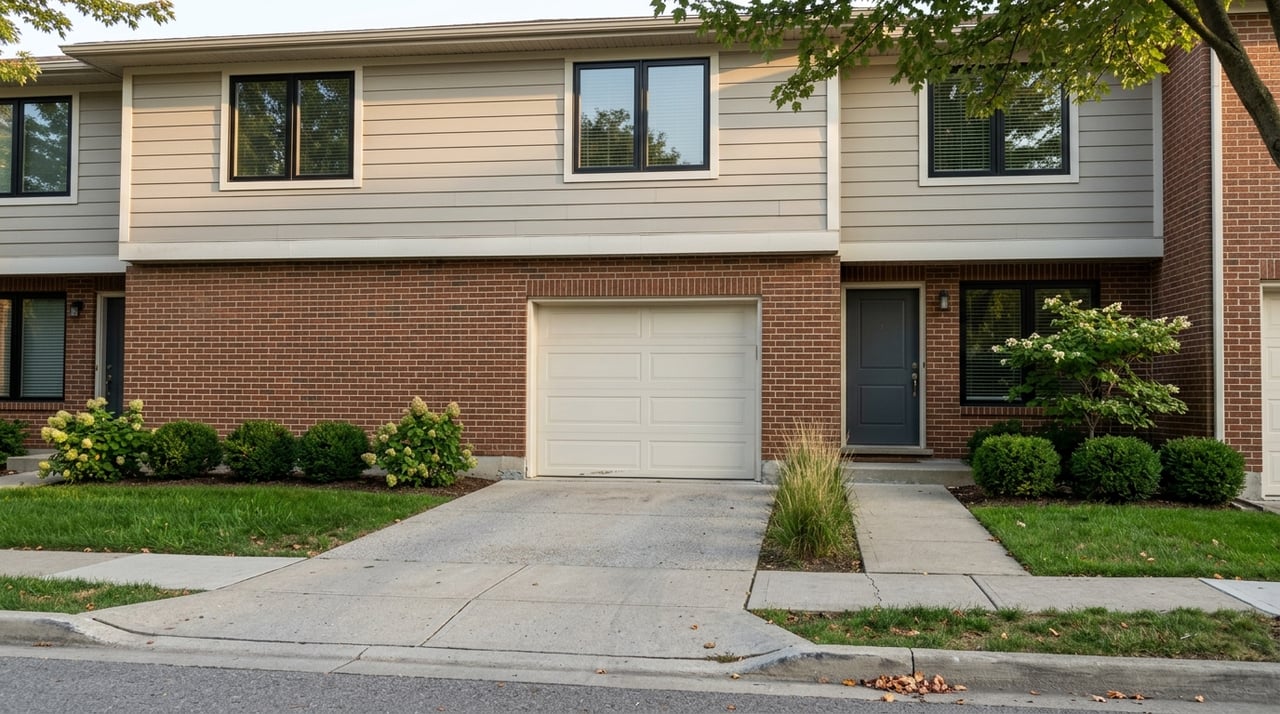
Wondering if Lorton should be on your shortlist? If you want more space, strong commuter access, and easy access to parks without living in a denser close-in neighborhood, Lorton may be worth a serious look. The area offers a practical mix of housing, transportation options, and everyday convenience that appeals to many buyers making a move in Northern Virginia. Let’s take a closer look.
Why Lorton Gets Attention
Lorton is a community in southern Fairfax County with a population of 20,072, according to the 2020 Census. Recent Census estimates show a median household income of $138,685, an owner-occupied housing rate of 64.4%, a median owner-occupied home value of $626,500, and a median gross rent of $2,548.
Those numbers point to an established suburban market with a strong base of both owners and renters. They also suggest that Lorton attracts buyers who want a stable community with room to settle in.
Lorton also has a relatively rooted population. Census estimates show that 86.7% of residents lived in the same house a year earlier, while 26.4% of residents are under 18 and the average household size is 3.17 people.
The community is also notably diverse. Census estimates show that 32.7% of residents are foreign-born and 43.9% of households speak a language other than English at home.
What Living in Lorton Feels Like
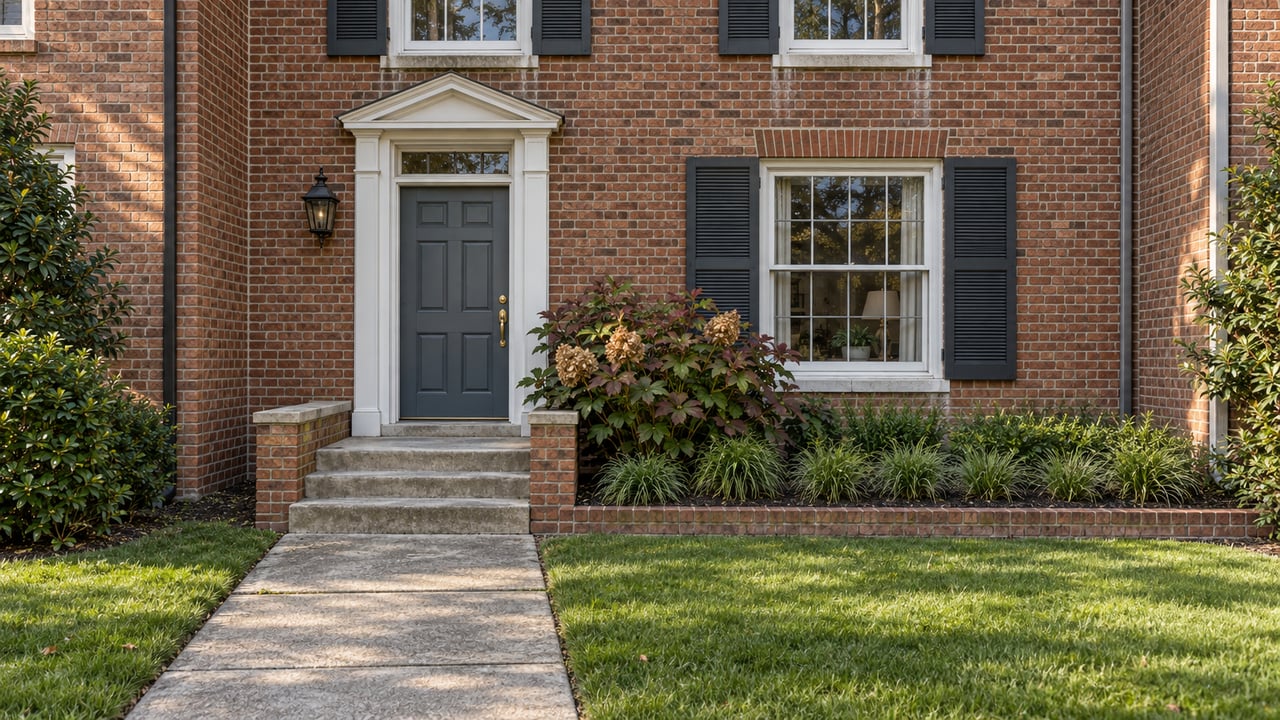
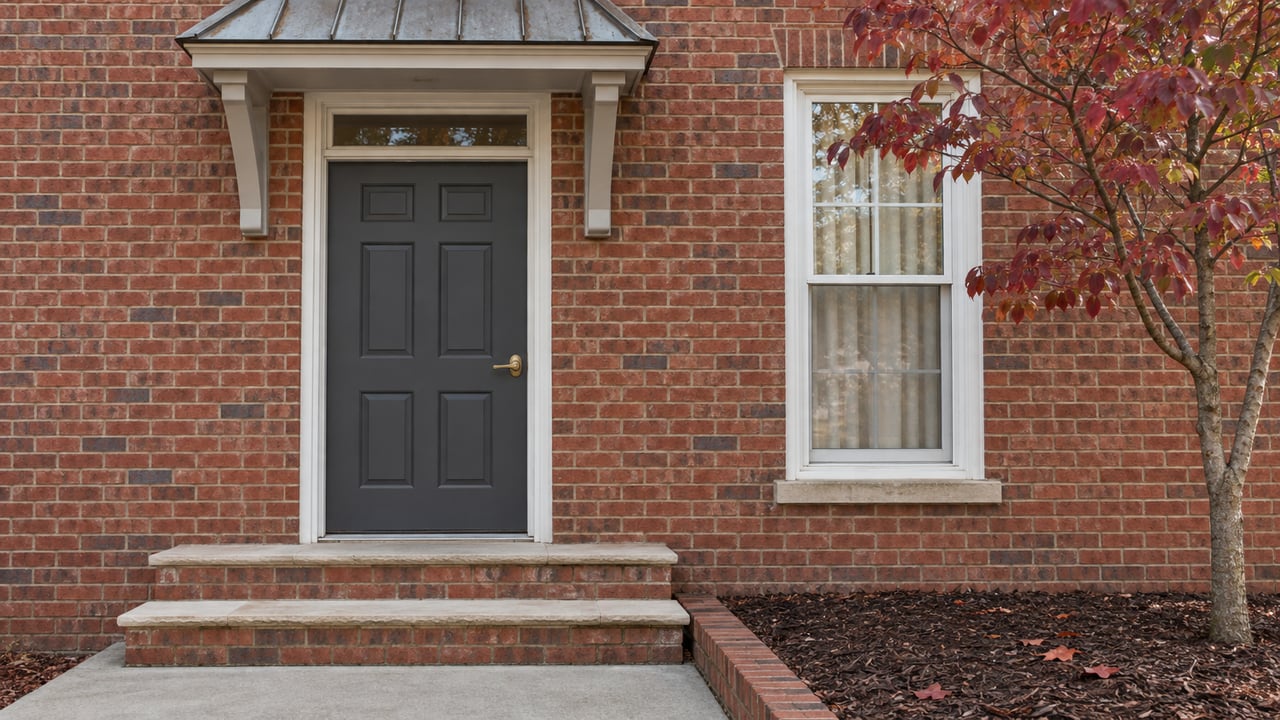
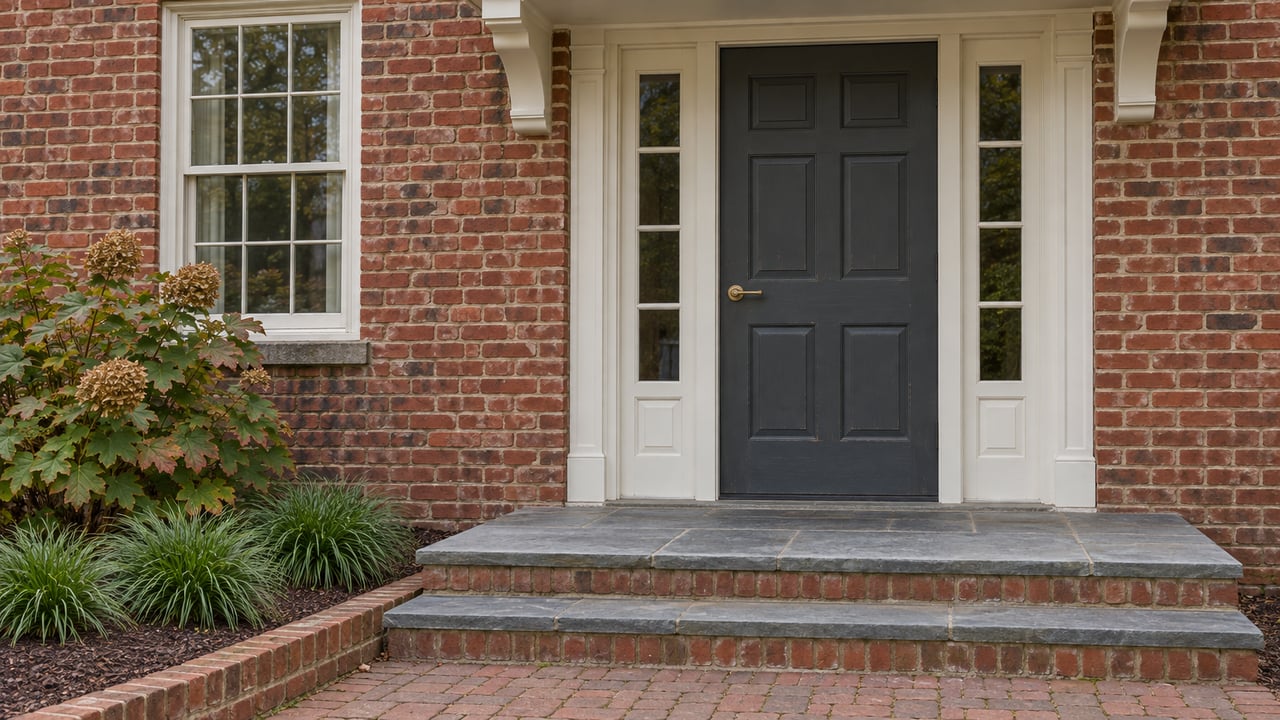
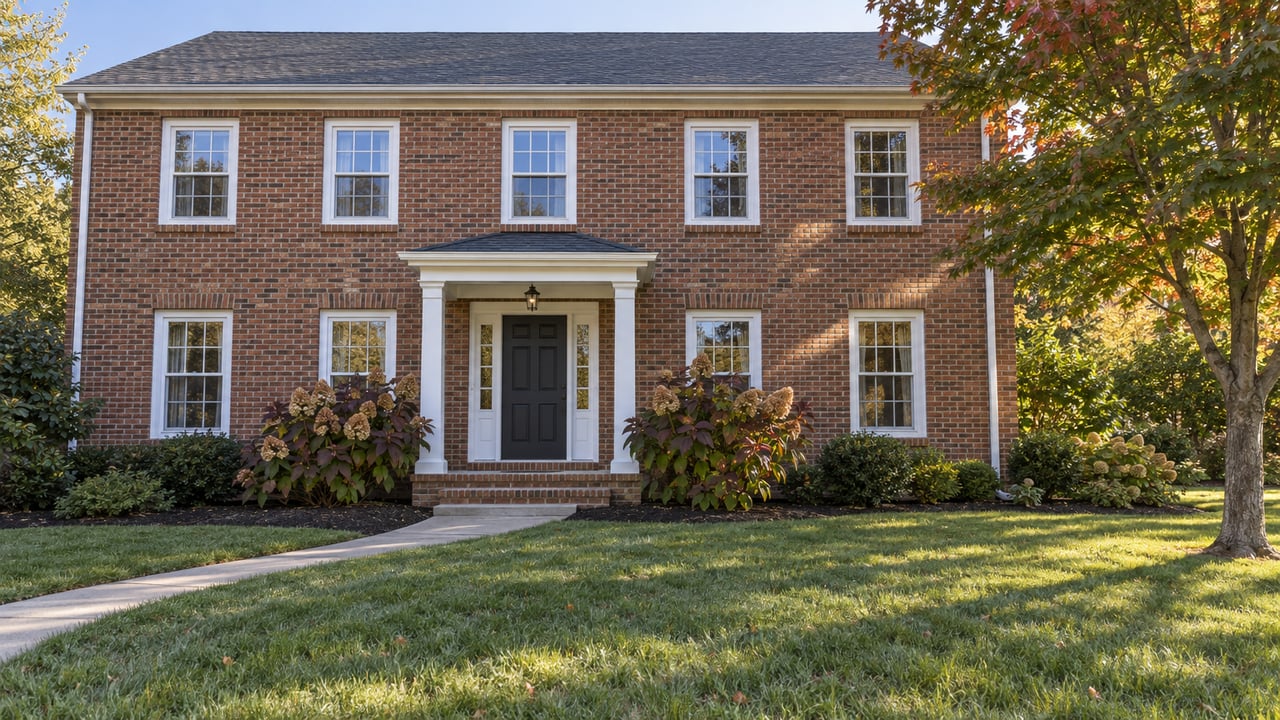
Lorton has a suburban layout, and that matters when you are thinking about your day-to-day life. Fairfax County describes the area as largely made up of stable residential neighborhoods with single-family detached homes, townhomes, and low-rise garden apartments.
That variety is one of Lorton’s biggest strengths. Instead of offering just one kind of housing, the area gives you several paths depending on your budget, space needs, and maintenance preferences.
Fairfax County also points to newer mixed-use activity at Liberty at Lorton and the new Lorton Community Center. Long-term planning for the area includes a town-center concept near the VRE station and residential areas at a variety of densities.
For you as a buyer, that means Lorton offers a mix of established neighborhoods and some areas with a more evolving, service-oriented feel. If you like suburban neighborhoods but still want some concentrated activity near key corridors, that balance may stand out.
Housing Options in Lorton
If you are comparing Lorton with other Northern Virginia communities, housing choice is an important part of the conversation. Fairfax County’s planning descriptions point to a housing mix that includes:
- Single-family detached homes
- Townhomes
- Low-rise garden apartments
- Mixed-use areas near major corridors and the station area
This range can be especially helpful if your needs are changing. You may be a first-time buyer deciding between a townhome and a detached home, or you may be relocating and looking for a lower-maintenance option before making a longer-term move.
Lorton does not present as a one-size-fits-all market. It gives you different formats to explore, which can make it easier to match your lifestyle and price point.
Commuting From Lorton
For many buyers, commuting can make or break a move. Lorton’s transportation story is built around major road access and rail connections.
Fairfax County says the main commercial centers are located between Richmond Highway and I-95 and are easily accessed from Lorton Road. The county’s planning work also focuses on the Lorton Road area and the Route 1 corridor.
On the rail side, VRE lists Lorton Station on the Fredericksburg Line at 8990 Lorton Station Blvd., and parking is available at the station. Amtrak’s Auto Train station is also in Lorton at 8006 Lorton Road, and Amtrak says the station is about 20 miles south of Washington, DC.
Census estimates place the mean commute time at 30.7 minutes. While every commute depends on your destination and schedule, Lorton clearly offers regional connectivity for people who want both road access and the option to use rail.
Is Lorton Walkable or Car-Oriented?
This is an important question, especially if you are moving from a more urban area. Based on Fairfax County’s descriptions, Lorton is more corridor-based and suburban than a traditional walkable downtown environment.
Many conveniences are clustered in a few commercial nodes rather than spread throughout a dense town center. In practical terms, that means many errands will still be car-based.
For some buyers, that is a tradeoff worth making. The upside can include more space, easier parking, and quicker access to parks and regional travel routes.
Parks and Outdoor Access
Lorton stands out when it comes to outdoor recreation. If access to trails, water, and open space matters to you, this part of the community deserves real attention.
Occoquan Regional Park spans 350 acres in Lorton and includes waterfront access, a 5K loop trail, kayak rentals, a café, and event space. That gives residents a nearby option for both active weekends and relaxed time outdoors.
Mason Neck State Park adds hiking, three miles of paved multi-use trails, a kayak and paddleboard launch, and birdwatching. Pohick Bay Regional Park adds even more variety with a 1,000-acre multi-use setting that includes five miles of trails, camping, disc golf, mini golf, boat rentals, and guided paddle tours.
Meadowood offers 15 miles of trails for hiking, mountain biking, and horseback riding. Fairfax County also describes the Laurel Hill trail system as beginner-friendly and connected to the Cross-County Trail.
If you want a suburban home base with meaningful outdoor options nearby, Lorton has a strong case to make. Few communities offer this kind of range so close to established residential areas and major commuting routes.
Everyday Convenience in Lorton
Beyond parks and commuting, daily life comes down to whether the basics are easy to reach. Fairfax County describes Lorton’s commercial base as a mix of neighborhood-serving and community-serving centers with retail, restaurants, medical, and professional services.
The county identifies Lorton Station, Lorton Marketplace, and Gunston Plaza as the three largest centers. That gives residents a few key hubs for errands and services rather than a single central downtown.
The Lorton Community Center is another practical asset. It includes a library, senior center, pantry, teen programming, SACC, fitness space, and meeting rooms.
That mix makes the community center more than just a recreation spot. It functions as a local service hub that can support different needs across stages of life.
Who Lorton Often Fits Best
Lorton tends to work well for buyers who want suburban housing options, outdoor recreation, and access to major commuting corridors. It can be a strong fit if you want room to spread out while staying connected to the broader DMV.
It may especially appeal to:
- Relocating households looking for housing variety
- Buyers who want detached homes, townhomes, or lower-rise multifamily options
- Commuters who are comfortable with a car-plus-rail routine
- People who value nearby parks, trails, and waterfront recreation
- Households who prefer suburban space over a denser urban setting
That does not mean Lorton is perfect for everyone. If your top priority is living in a highly walkable area with a dense concentration of shops and restaurants on every block, you may find other communities align better with that lifestyle.
Key Tradeoffs to Consider
Every move comes with tradeoffs, and Lorton is no exception. The biggest one is that convenience is more clustered than continuous.
You are likely to rely on a car for many daily errands. At the same time, you may gain more living space, more parking, and easier access to regional roads and outdoor destinations.
That balance is what makes Lorton worth a closer look for many buyers. It offers a practical suburban lifestyle with a meaningful mix of transportation access, recreation, and housing options.
How to Decide if Lorton Is Right for You
If you are trying to narrow your search, start with your daily routine. Think about how much space you want, how often you commute, how important rail access is, and whether outdoor amenities play a real role in your week.
Then compare those priorities against what Lorton actually offers. In many cases, the answer becomes clearer when you look beyond headline home prices and focus on how a place supports your everyday life.
If you are weighing Lorton against Arlington, Alexandria, Springfield, or other nearby communities, local context matters. A neighborhood that looks similar on paper can feel very different once you factor in commute style, housing format, and access to the places you actually use.
If you want help thinking through whether Lorton fits your goals, David Kyle of Compass can help you compare options, understand the local market, and make your next move with confidence.
FAQs
Is Lorton, VA a good place for commuters?
- Lorton offers access to I-95, Route 1, Lorton Road, the VRE Fredericksburg Line, and the Amtrak Auto Train station, making it a practical option for buyers who want regional connectivity.
What types of homes are available in Lorton?
- Fairfax County describes Lorton as having single-family detached homes, townhomes, low-rise garden apartments, and some mixed-use activity near key corridors and the station area.
Does Lorton have good parks and trails?
- Yes. Lorton has access to Occoquan Regional Park, Mason Neck State Park, Pohick Bay Regional Park, Meadowood trails, and the Laurel Hill trail system.
Is Lorton more suburban or urban?
- Lorton is more suburban in layout, with conveniences clustered in commercial centers rather than spread across a dense, walkable downtown.
What everyday amenities are in Lorton?
- Fairfax County identifies retail, restaurants, medical, and professional services in community-serving centers such as Lorton Station, Lorton Marketplace, and Gunston Plaza, along with services at the Lorton Community Center.