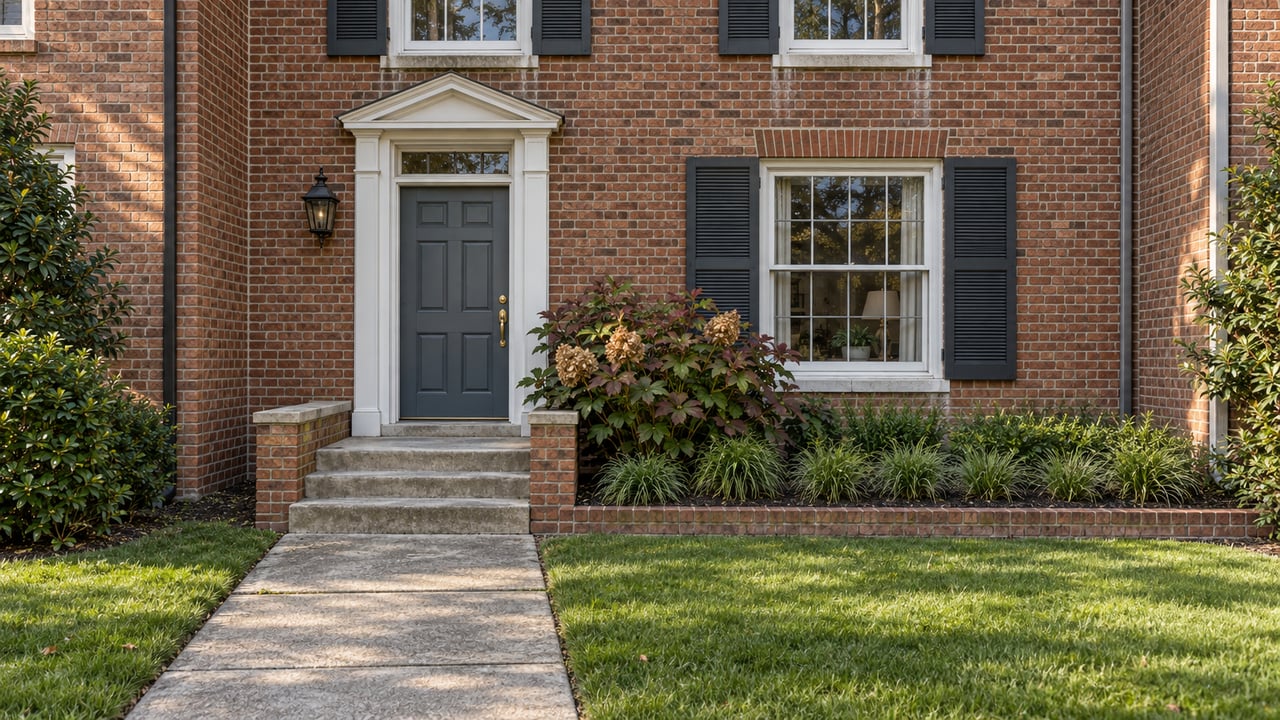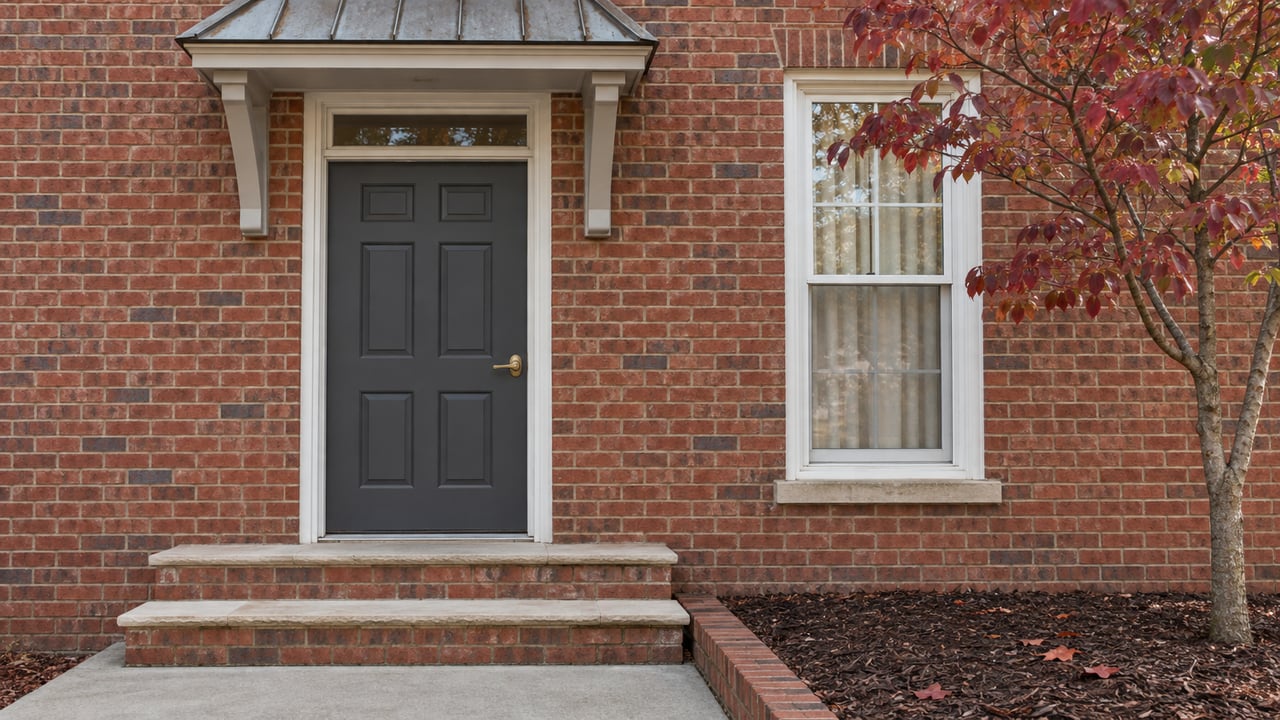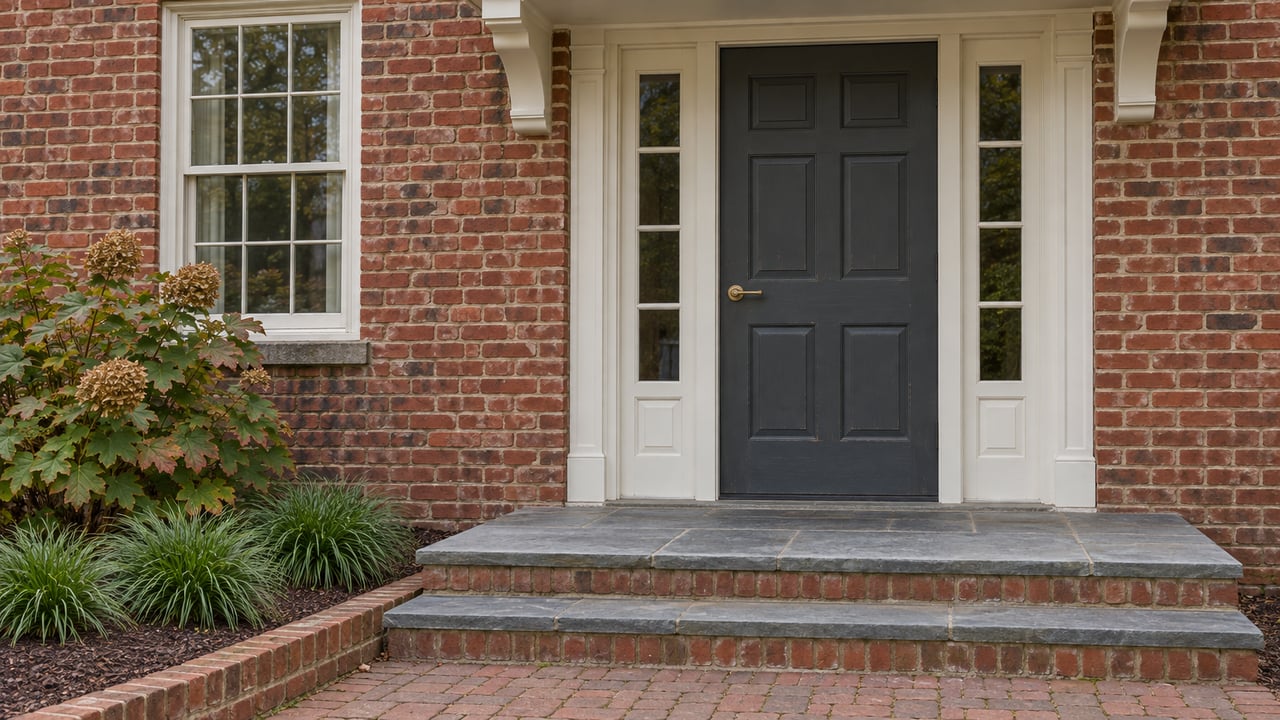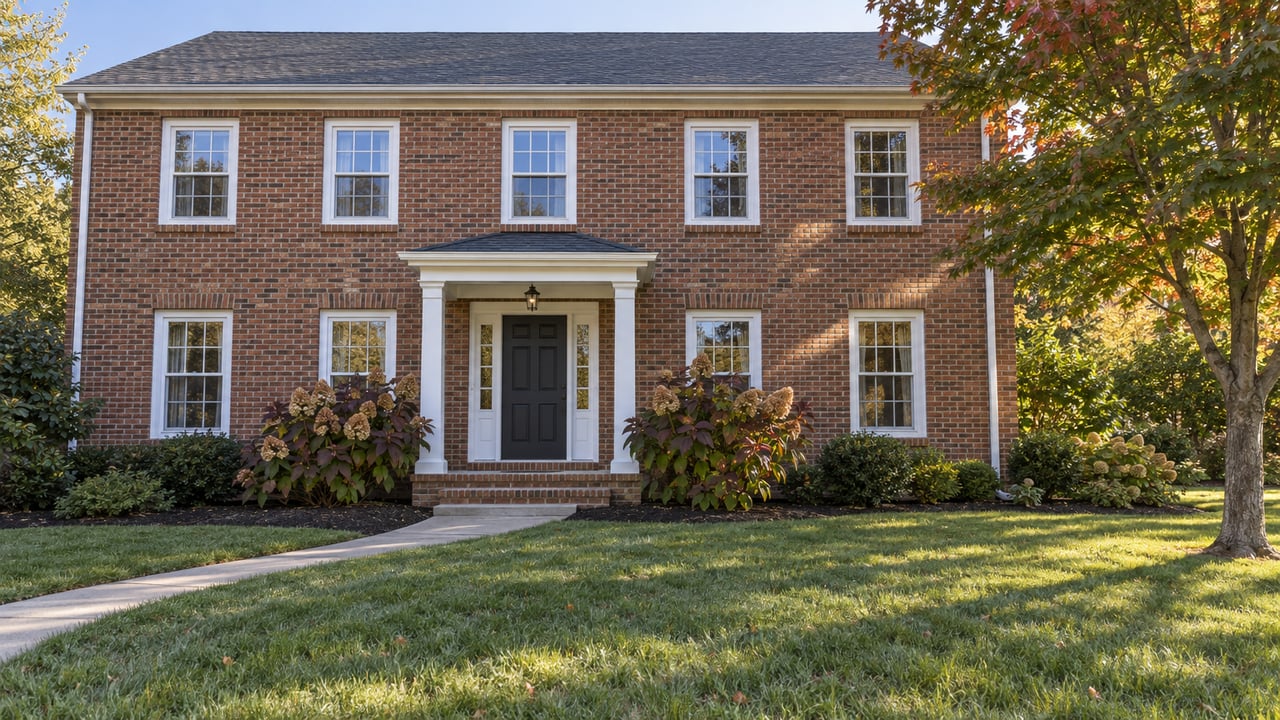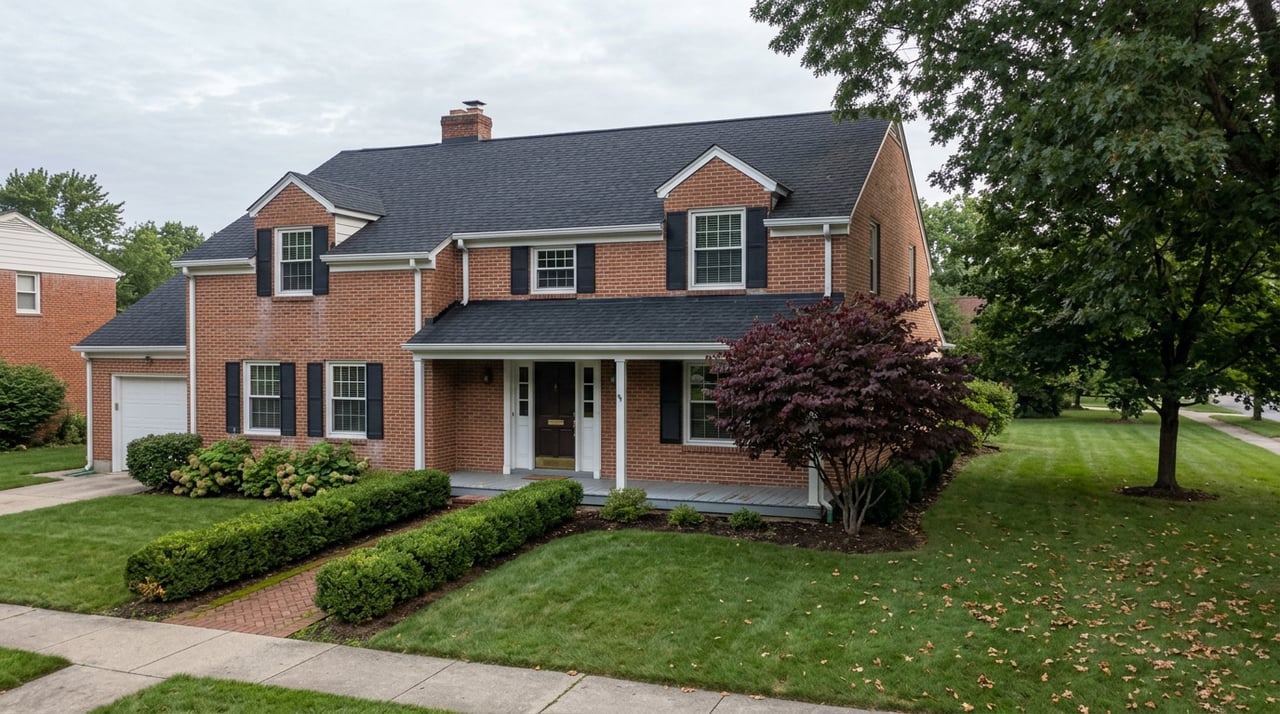
Residents on 14th Street North in Arlington found out a six-plex was going up on their block the way most neighbors do these days. Not from a county notice. Not from a sign in the yard. They heard the construction noise.
That detail matters more than it sounds. Neighbors for Neighborhoods says Arlington's Expanded Housing Option program, the zoning change most people know as Missing Middle, does not require the county to notify adjacent property owners when a permit is approved. A citizens' group called Neighbors for Neighborhoods has taken to canvassing affected blocks with flyers because, as they put it, the county rarely does. If you are comparing Arlington to other Northern Virginia markets right now, that gap between what gets built and what gets announced is worth understanding, because it is quietly producing a category of home that does not show up cleanly in the median price you already found on a portal.
The Discount Hiding Inside the Median
Arlington's median sale price sat around $835,000 over the three months ending in July 2026, up close to 8 percent from the year before. Detached single-family homes pull that number up hard, commanding well over a million dollars in most of the county. Condos pull it down, having struggled through a rough 2025. Neither of those categories describes what EHO is actually building.
The county's own March 2026 annual data report lays out the difference in blunt terms. The average new detached single-family home built in Arlington runs 5,348 square feet. The average EHO unit runs 1,649 square feet, a little larger for townhome-style units and smaller still for units inside a sixplex. Most EHO homes have three bedrooms. Most of the new detached homes being built alongside them have five, and none had fewer than four.
There is only one documented arm's length sale of a completed EHO unit so far, in zip code 22201, and it closed at $1,615,000. That is 45 percent below the average sale price of a newly built detached single-family home in that same zip code. It is a single data point, not a trend line, but it is the clearest evidence yet that Missing Middle housing is landing where it was designed to land: below new construction, above the rental stock it replaces, and aimed at buyers who want a new three-bedroom home in Arlington without competing for a five-bedroom teardown.
Why the Supply Is Scattered, Not Steady
If you are picturing a subdivision of these homes going up together, that is the wrong mental model. EHO development happens lot by lot, wherever an individual owner or builder decides to pursue it, which means the homes appear one at a time on ordinary residential streets rather than clustered in a single new development. A duplex on 25th Street South in the Claremont neighborhood. A sixplex on 14th Street North, an 11-minute walk from the Virginia Square Metro station, replacing a century-old house that had sold for $913,000 in 2022. As of last count, only two EHO projects had actually reached completion, one in North Highlands and one in Claremont, despite dozens of approved permits.
The reason for that gap is the lawsuit. Arlington's County Board adopted the EHO ordinance unanimously in March 2023, ending nearly a century of zoning that limited most of the county's residential land to single-family detached homes. A group of homeowners sued almost immediately, arguing the county had failed to study the impact on infrastructure and had improperly delegated authority to staff. WJLA reported that they won at the circuit court level in September 2024, and the ruling voided every EHO permit on the books, pausing 45 multifamily projects overnight. Some developers who had already broken ground were left in legal limbo for the better part of a year.
The Virginia Court of Appeals reversed that decision in June 2025, but on a procedural technicality rather than the merits, finding that the plaintiffs had failed to include the developers who actually held EHO permits as parties to the case. The county resumed accepting applications on October 1, 2025. Then, on May 19, 2026, the Virginia Supreme Court agreed to review that procedural ruling. It has not ruled on whether EHO itself is legal, and it has not paused development in the meantime. Arlington is continuing to process applications under the ordinance while the case works its way through. Neighbors for Neighborhoods, which is funding the litigation, has said it expects the case to reach trial within three to six months of the Supreme Court's decision to take it up.
None of that is academic if you are shopping for one of these homes.
Vested Rights Are Doing Real Work Right Now
One detail from the litigation explains why some EHO projects have kept moving even during the periods of legal chaos. David Tracy, president of the Arlington homebuilder Classic Cottages, has been vocal about the frustration of having conditions imposed on land his company already owned in a lawsuit his company was never named in. Arlington Magazine reported that, for four of the sites where Classic Cottages held EHO permits, the company pursued and won a legal designation called vested rights in May 2025, which locks in the zoning rules that applied when the project was approved and protects it from being unwound if the ordinance is later struck down.
That distinction, whether a specific project has secured vested rights or is simply operating under the ordinance as currently reinstated, is not something a listing description is going to spell out. If you are considering a purchase in this category, it is a fair question to ask before you write an offer, because it tells you how exposed that particular home is to the outcome of a case still working through Virginia's highest court.
There is also a pattern worth knowing about on the seller and neighbor side. Some developers who filed EHO applications for multiplexes have quietly pivoted those plans back to single-family homes after neighborhood pushback, at sites on 11th Street North and 18th Road North among others. An approved EHO permit is not a guarantee of what eventually gets built.
What This Means If You Are Comparing Arlington to Other Markets
Arlington's structural land shortage was already pushing single-family prices toward $1.3 to $1.45 million by late 2025 in most parts of the county, out of reach for a lot of buyers who still want new construction rather than an older resale. EHO is the county's attempt to put a smaller, cheaper new-build option back on the table inside neighborhoods that had been zoned to prevent exactly that for a century. The early evidence, thin as it is, suggests it is working as designed on price. What it has not become, and may not become for a while yet, is predictable. Patch reports that Arlington's annual cap on new permits is 58 per year and that the whole framework is scheduled to sunset at the end of 2028 unless the county board acts to extend it; that clock is ticking alongside a court case that could reshape the rules before then.
If you are weighing Arlington against Falls Church, Alexandria, or another close-in jurisdiction, the honest comparison is not just median price against median price. It is asking whether the newer, smaller, less expensive housing stock you are seeing in listings actually has a stable legal footing, or whether it is sitting inside a fight that is still not over.
A Few Direct Questions
Will Missing Middle housing make Arlington meaningfully more affordable? The county's own data shows real price separation between EHO units and new single-family homes, but the volume is small, on track for roughly 132 net new units by the end of 2025 according to the county's report. That is not enough supply yet to move the county-wide median on its own.
Should I buy an EHO home right now? Ask directly whether the specific project has secured vested rights, and understand that the answer changes how insulated that home is from the pending litigation.
I track the Arlington permit tracker and the county's EHO filings the same way I track everything else in this market, because buyers and sellers here deserve to know what they are actually walking into. If you are weighing an Arlington purchase against another close-in neighborhood, or you own property that might be affected by this zoning fight either way, let's connect and talk through what it means for your specific situation. You can also get a sense of where your own Arlington property stands with a home valuation, or browse the Arlington neighborhood guide for more on what the area offers day to day.
David D Kyle is a Compass REALTOR based in Arlington, Virginia, serving buyers and sellers across the DMV.
This article is general information, not legal, tax or financial advice. Consult a qualified professional about your situation.