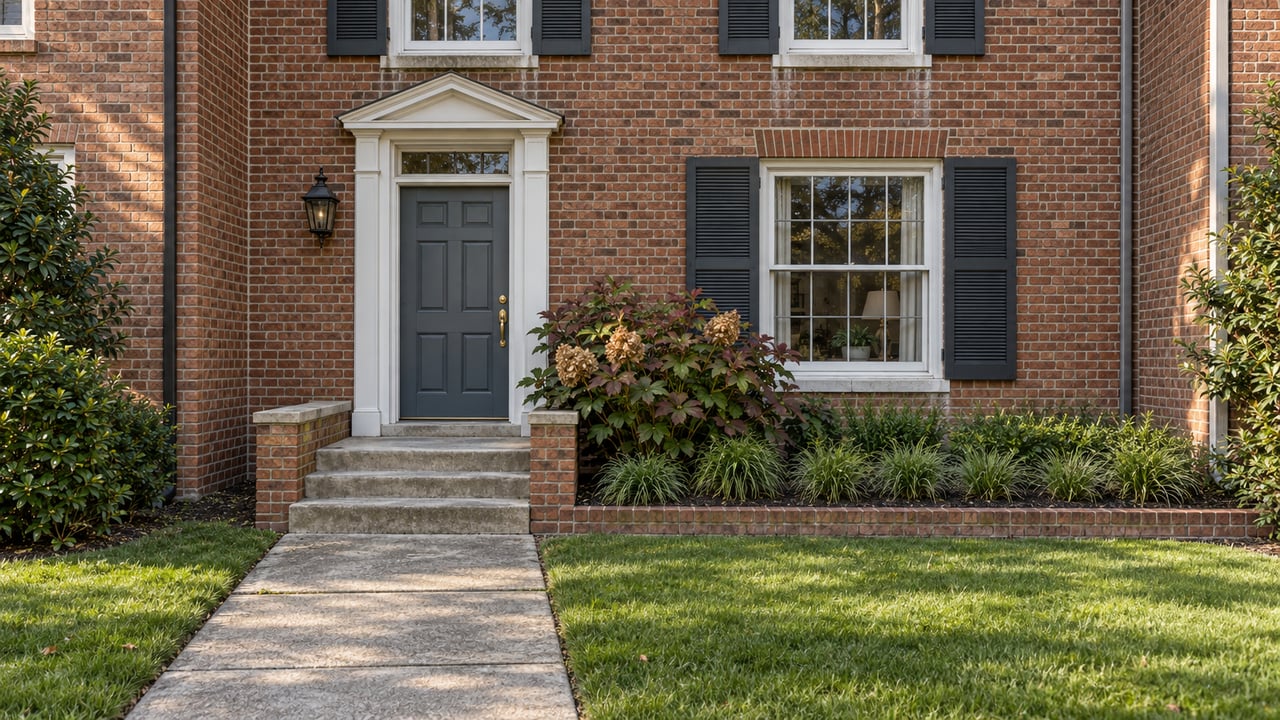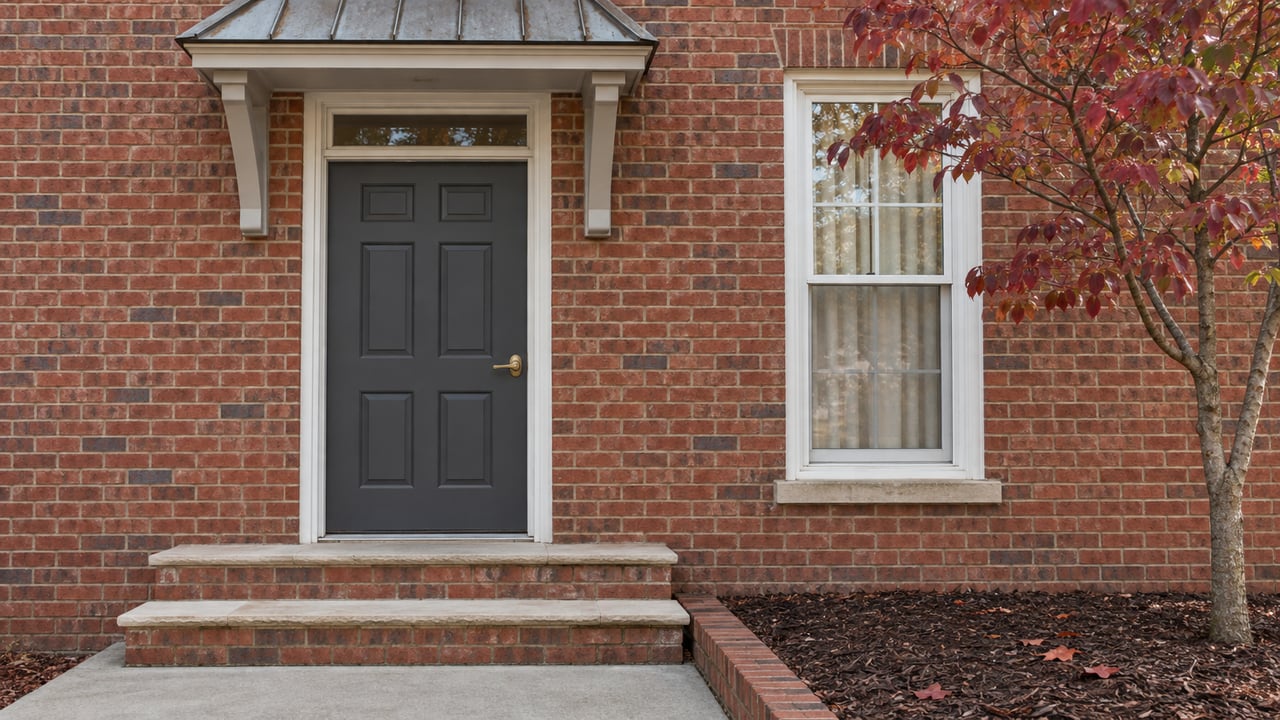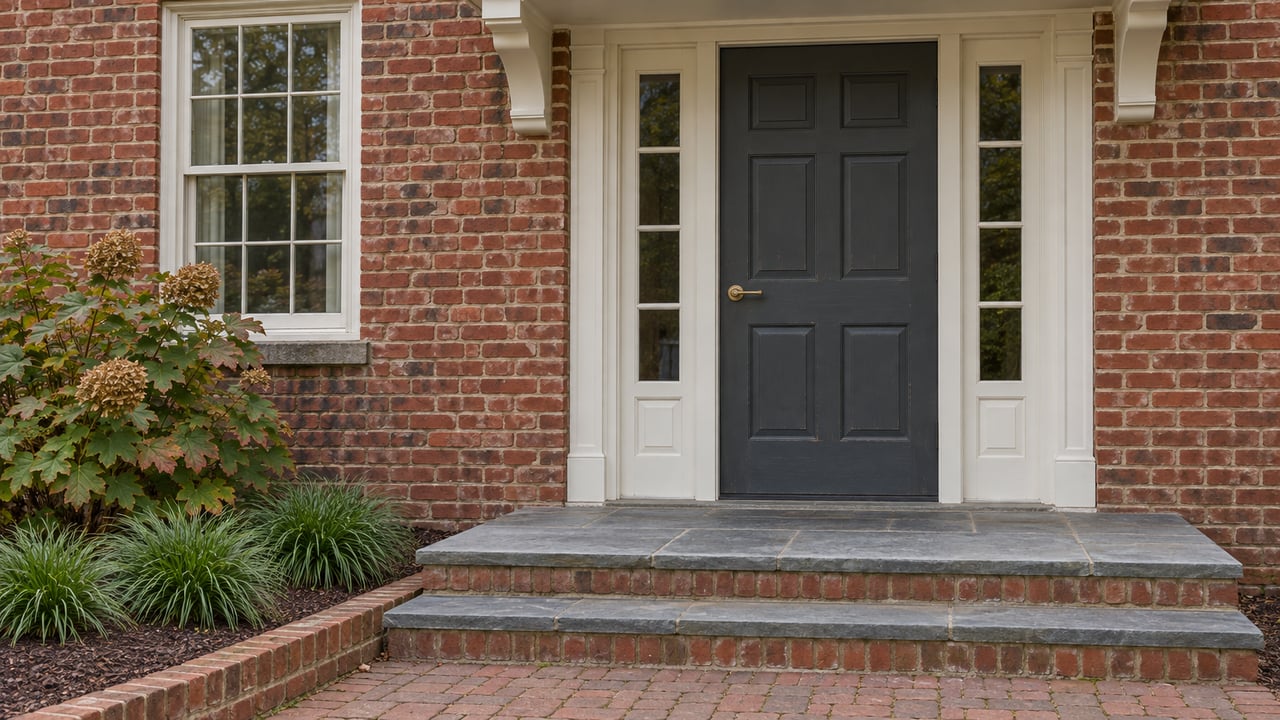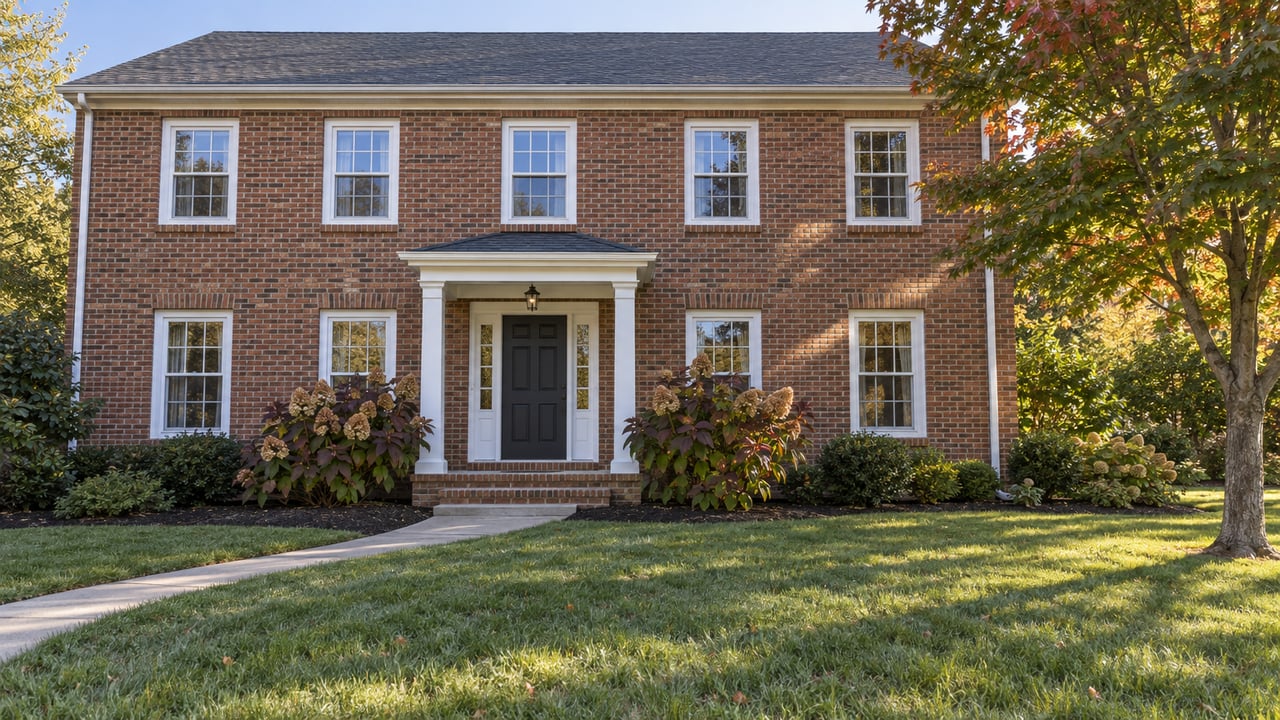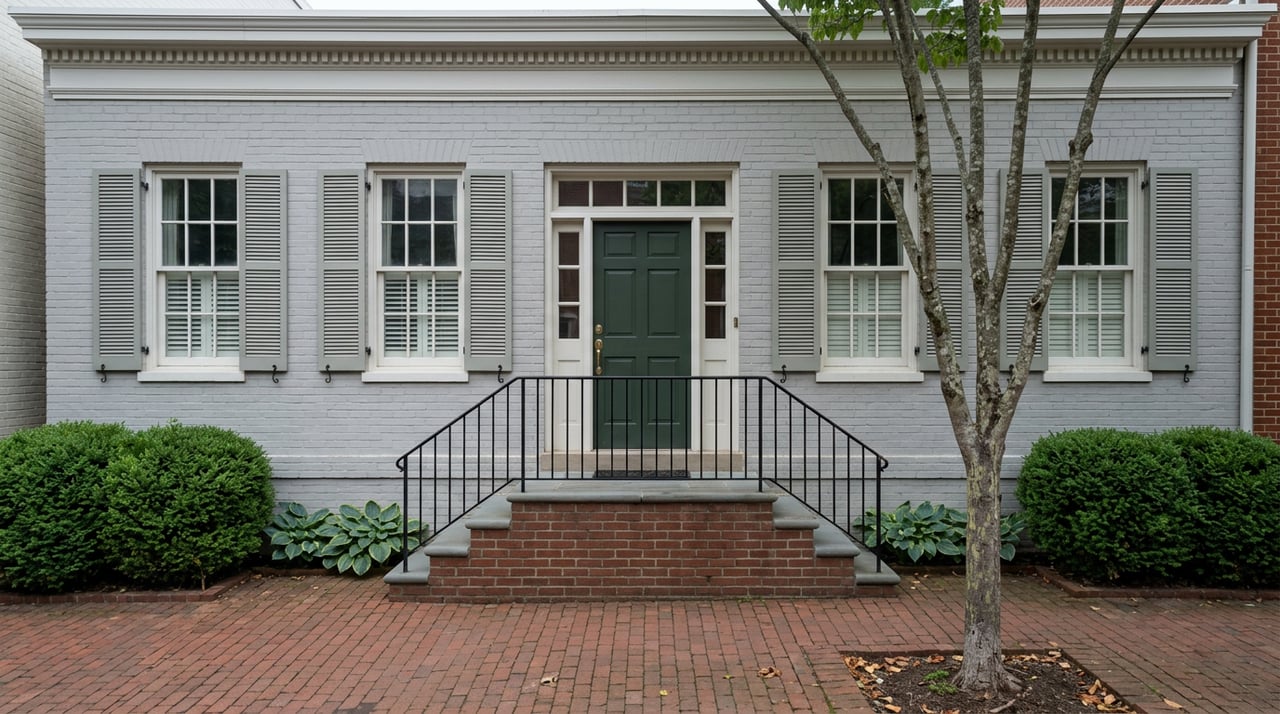
If you're planning to replace a window, add a deck, or install an EV charger on a rowhouse in Old Town or Parker-Gray before you list next spring, here's a question worth asking before you call a contractor: which rulebook applies, the one that, as The Zebra reported, has governed Alexandria's historic districts since 1993, or the one the city is finalizing right now?
That's not a rhetorical setup. Alexandria's Board of Architectural Review is in the middle of the first full rewrite of its Design Guidelines in more than thirty years, and the timing lands squarely on top of this fall's listing and renovation season. A community meeting on the draft chapters happened August 19 at the Nannie J. Lee Memorial Recreation Center, and a second one was scheduled for Wednesday, September 23, at the Dr. Oswald Durant Memorial Center on Cameron Street. For anyone weighing pre-listing exterior work in either district, that calendar matters more than it looks like it should.
Two Districts, One Rulebook, and a Gap That's Closing
Alexandria's Board of Architectural Review oversees exterior changes in the city's historic districts. The design standards guiding that review have been in place since 1993, and the committee doing the rewrite has been working on it since 2019.
The part sellers and buyers in Parker-Gray should pay attention to is the direction of travel. Planners have said the goal isn't a wholesale rewrite of preservation policy, it's modernizing an outdated system, but one explicit aim is bringing Parker-Gray standards closer to Old Town's. Some exemptions Parker-Gray owners have relied on for smaller projects are on the table to change specifically so the two districts stop operating under different rulebooks.
Concretely, that includes accessory structures like sheds. Under the draft, structures up to 65 square feet and 8 feet tall in Parker-Gray would move to administrative review, matching what's already standard in Old Town. New or relocated utility meters in Parker-Gray would need staff approval where some previously didn't. And existing exemptions for certain non-front elevations would end, meaning porches, decks, and planters that once skated through with less scrutiny would face the same review standard as anywhere else in the district.
What's Actually on the Table
The draft touches more than accessory structures. Because the original 1993 guidelines predate a lot of current technology, the update adds specific standards for equipment that didn't exist when the rules were written, most notably electric vehicle charging stations. Other items under review include HVAC equipment, exterior lighting, security features, and rooftop decks.
None of this is adopted yet. Individual chapters get posted publicly as the Board of Architectural Review formally adopts them, and the city accepted written comments on the current drafts from August 5 through September 2.
The Review Timelines to Keep in Mind
Here's where this stops being a civic-engagement story and starts being a closing-timeline story. Alexandria runs two separate clocks that people routinely confuse: the Design Guidelines Committee's public meetings on the rewrite itself, and the Board of Architectural Review's regular hearing schedule for individual project approvals. The second one is what actually governs your renovation, and it doesn't bend for anyone's listing date.
| Review type | Typical timeline | Where it happens |
|---|---|---|
| Administrative approval | Often a few business days to a couple of weeks | Reviewed by BAR staff, no public hearing |
| Full Certificate of Appropriateness | Roughly 4 to 8 weeks from a complete application to a decision | Public hearing before the seven-member Board |
The City of Alexandria says the Board of Architectural Review holds public hearings on the first and third Wednesday of every month except August, at Charles Houston Recreation Center. Complete applications generally need to be filed of the hearing date to make the docket. Miss that window and you're waiting for the next one, which in December or January can mean losing more time to the calendar than the review itself takes. If the Board denies an application outright, the same case can't come back before the Board for a year.
Run that math against a spring listing. If you want new windows or a rebuilt front porch finished and photographed before a March debut, a project that needs a full hearing should realistically be filed by November. That's not a suggestion, it's what the meeting schedule forces.
How BAR Review Can Affect a Renovation
The mistake I see most often isn't ignorance of the BAR process itself, it's assuming interior work is automatically exempt from it. According to USHDB, interior renovations like cabinets, flooring, and countertops generally don't need Board approval. But a kitchen remodel that relocates a vent stack, swaps an exterior door, or changes a window opening crosses into exterior alteration the moment it's visible from the street, and at that point it needs the same review as any standalone facade project.
Demolition has a separate requirement. A Permit to Demolish is required for removing more than 25 square feet of material from a structure regardless of whether that work is visible from a public way. A seller gutting a rear addition that faces an alley, not the street, can still trigger this requirement. Finding that out after demolition has started is the kind of delay that turns a planned four-week renovation into a two-month one, right when a closing date is already on the calendar.
What This Means If You're Selling or Buying This Fall
For a seller in Old Town or Parker-Gray weighing curb-appeal improvements before listing, the practical takeaway is to sequence backward from your target list date, not forward from when you feel ready to start. Contact preservation staff early, before finalizing a design, to find out whether your specific project qualifies for administrative approval or needs a full hearing. That single conversation determines whether you're working with a two-week timeline or a two-month one.
For a buyer under contract on a historic-district home, the same logic runs in reverse. If you're planning to replace windows, add a deck, or install an EV charger after closing, ask the seller's agent whether any BAR applications are already in progress and what condition they're in.
This is also where staging strategy and BAR timing intersect. Pre-listing improvements backed by tools like Compass Concierge can cover exterior work, but only if the design clears review before the crews show up. Coordinating a renovation timeline with a listing date in a historic district isn't a detail to handle after the fact, it's part of the pricing and marketing plan from day one.
A Few Direct Questions
How can I check whether BAR review applies to my home? Use the Historic Preservation Map viewer on the city's site to confirm your parcel's status.
Can I still paint my house without approval? Requirements can vary by property and type of work, so check with preservation staff before painting.
If you're weighing a renovation timeline against a listing date in Old Town or Parker-Gray, or you're under contract on a historic-district property and want to know what you're inheriting, David D Kyle can help you sequence the two correctly before either clock starts running. Let's Connect.
This article is general information, not legal, tax or financial advice. Consult a qualified professional about your situation.